| 1 |
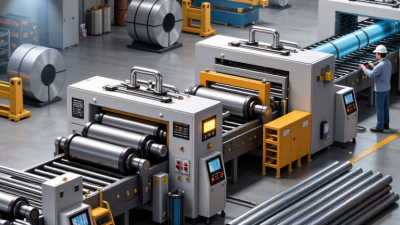
Coil Handling and Uncoiling |
Decoiler, coil car, and strip-guiding equipment |
A steel coil is loaded, uncoiled, and guided into the forming line at a controlled tension. |
Helps maintain steady strip feed; operators check coil alignment, surface condition, and edge damage. |
| 2 |
Strip Joining and Accumulation |
Strip-end joining and horizontal or vertical accumulator |
The trailing end of one coil is joined to the next; stored strip allows the mill to continue running during coil changes. |
Supports continuous production; weld integrity and strip tracking are checked before forming. |
| 3 |
Breakdown and Fin-pass Forming |
Sequential roll forming with progressively shaped rolls |
Flat strip is progressively formed into an open tube, bringing its edges together for welding. |
Roll setup affects tube geometry and edge presentation; checks commonly include strip position and forming stability. |
| 4 |
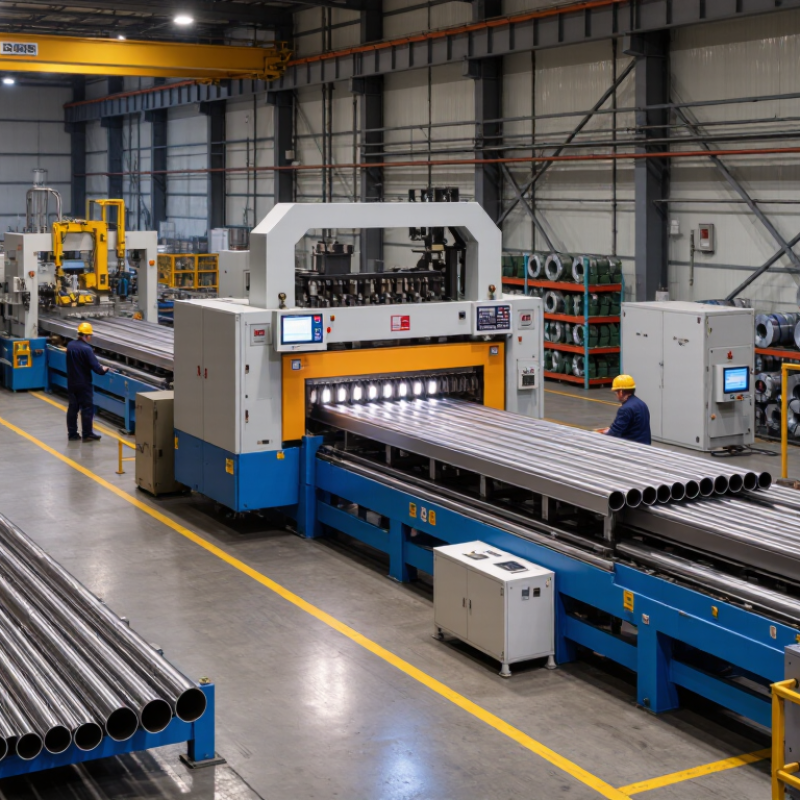
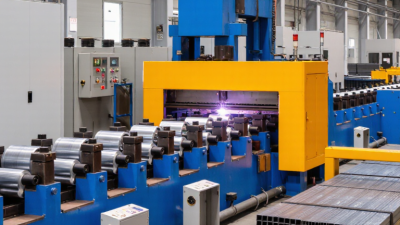
High-Frequency ERW Welding |
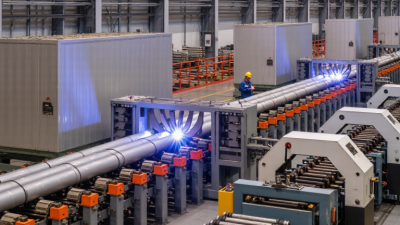
High-frequency resistance welding with squeeze rolls |
Electrical current heats the meeting edges; pressure from squeeze rolls forges them into a longitudinal weld. |
Weld quality depends on controlled heat input, edge alignment, and upset; inspection may include visual and specified nondestructive testing. |
| 5 |
Weld Bead Removal and Optional Heat Treatment |
Internal or external scarfing; localized seam heat treatment where required |
Excess weld metal can be removed by scarfing; some product specifications call for heat treatment of the weld area. |
Scarfing controls bead height and finish; heat treatment is selected according to material, product requirements, and applicable specification. |
| 6 |
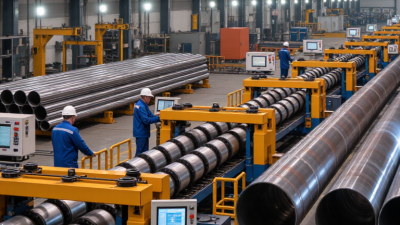
Sizing and Straightening |
Sizing rolls and straightening stands |
The welded tube passes through rolls that refine its outside dimensions, roundness, and straightness. |
Dimensional checks may include outside diameter, wall thickness, ovality, and straightness, as required for the product. |
| 7 |
Flying Cutoff |
Synchronized flying saw or cutoff system |
A moving cutoff tracks the tube and cuts it to the programmed length while the production line runs. |
Cut length, end squareness, and burr condition are checked against the product requirements. |
| 8 |
Inline Inspection and Testing |
Eddy-current or ultrasonic inspection; dimensional monitoring |
Inspection equipment monitors selected weld or tube characteristics during production; the method depends on the product specification. |
Results support defect detection and process control; acceptance criteria are set by the applicable standard or customer specification. |
| 9 |
End Finishing and Pressure Testing |
End facing, beveling, and hydrostatic testing when specified |
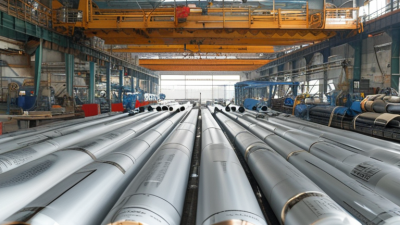
Tube ends are prepared for the intended connection or downstream process; pressure-grade products may undergo a water-pressure test. |
End dimensions and finish are verified; test pressure and duration are determined by the governing specification. |
| 10 |
Line Controls, Marking, and Packaging |
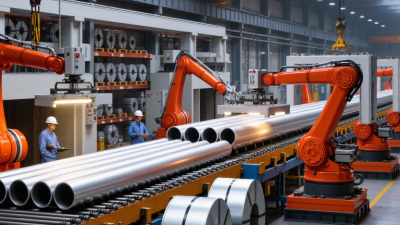
PLC-based coordination, traceability marking, and bundling equipment |
Controls coordinate line speed and equipment; finished tubes are identified, counted, and prepared for handling or shipment. |
Production records and product identification support traceability; packaging is selected to protect tubes during storage and transport. |