Choosing a Carbon Steel Pipe Making Machine requires more than comparing quoted speeds. The World Steel Association’s October 2024 Short Range Outlook projected global steel demand at 1,751 million tonnes for 2024. It forecast 1,772 million tonnes for 2025. These figures provide market context, not a pipe-machine sales forecast. The OECD’s steel-market assessments also track capacity and trade pressures. Demand alone cannot justify a purchase.
Start with the pipe you actually need to produce. Specify its steel grade, diameter range, wall thickness, and required tolerances. Then check whether the line’s forming, welding, sizing, and cutoff sections match those requirements. Ask for a demonstration using comparable material, not just a polished brochure video. Watch the weld seam, measure sample pipes, and note how long a size change takes. Small details matter. So does the operator’s view of the controls.
Quality expert W. Edwards Deming put it plainly: “Quality comes not from inspection, but from improvement of the production process.” A machine choice should therefore consider stable output, repeatable settings, maintenance access, and training—not speed alone. Request documented test results and a clear service plan. Compare energy use and tooling costs over the expected production life. One limitation deserves attention: published steel-demand reports cannot tell you how a specific machine will perform in your factory. That takes a realistic trial. Even then, the best choice may involve trade-offs. A faster line is not always the better line.
Define the product before comparing machines. Measure demand. Record the tube’s outside-diameter range, wall thickness, steel grades, cut length, end shape, and dimensional tolerances. A line for thin irrigation tubes behaves differently from one making heavy structural sections. Include coil width and thickness, too; these affect forming and tooling choices. Specify the required welding process and inspection steps against the standards your customers expect.
Then estimate saleable output, not just the machine’s advertised speed. Account for shifts, coil changes, tooling adjustments, maintenance, and rejected tubes. World Steel Association’s World Steel in Figures 2024 reports 1,892.2 million tonnes of global crude steel production in 2023. That figure describes steelmaking, not pipe demand, but it shows why your own product mix matters more than a broad market number. For example, changing from 25 mm to 60 mm outside diameter and from 1.2 mm to 3 mm wall thickness may require different tooling and setup times. I would not size a line from one peak-month forecast; it can age badly. Ask suppliers to demonstrate the target sizes using your coil specifications, then compare stable output and changeover time. Test the assumptions.
How to Choose a Carbon Steel Pipe Making Machine?
A carbon steel pipe machine should match the required diameter, wall thickness, steel grade, and production volume. These details affect forming force, welding settings, and sizing accuracy. Setup matters. A machine built for frequent size changes may suit mixed orders, while a dedicated line can deliver steadier output for long production runs.
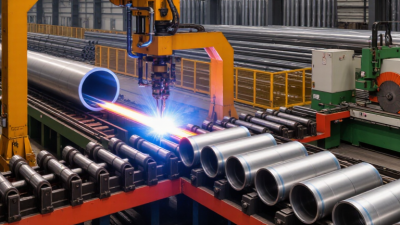
Coil-fed high-frequency ERW lines form strip through successive rollers, join the edges, then size the welded tube. They are common for smaller and medium diameters, with quick production and relatively compact layouts.
For larger diameters, spiral welding forms a pipe from a continuous strip wound at an angle. Longitudinal submerged arc welding uses plate formed into a cylinder and is often chosen for heavy walls or large pipe. Plate-based systems need more floor space and handling equipment. Changeovers can take longer.
Seamless production is different: a heated billet is pierced and rolled, rather than made from welded strip or plate. It can suit demanding pressure or temperature requirements, but equipment and process control are more complex.
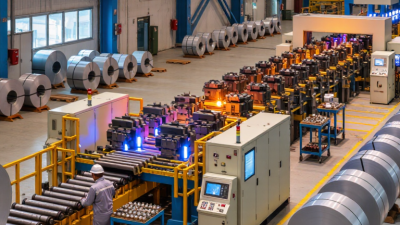
Compare the full line, not only the forming machine: uncoiling, welding, cutting, inspection, and handling all affect usable output. A trial run with the intended steel grade can reveal issues that a specification sheet misses.
The comparison is rarely tidy. Consider actual changeover time, scrap, and dimensional results before choosing.
A carbon steel pipe making machine should match your actual product range, not an idealized future plan. Check the steel thickness, strip width, pipe diameter, and forming tolerance specified for your orders. Confirm that the decoiler, forming section, welding unit, sizing stands, and cutting system can handle those limits together. A high rated speed means little if the line cannot maintain stable weld quality or accurate lengths.
Inspect the core components closely. Roll stands should feel rigid, with adjustment points that operators can reach safely. Ask how the welding system controls heat and how cooling affects the finished seam. Check the sizing and cutting units under realistic production conditions, not only in a brochure. Small parts matter. Bearings, guides, and electrical controls can influence downtime and repeatability. I have seen specifications look convincing while leaving maintenance access unclear; that gap deserves a direct question.
Tips: Request sample pipes made from your intended steel grade and thickness. Measure diameter, wall thickness, seam consistency, and cut length. Compare the results with your requirements. Measure twice. Keep a written list of acceptable tolerances before comparing machines.
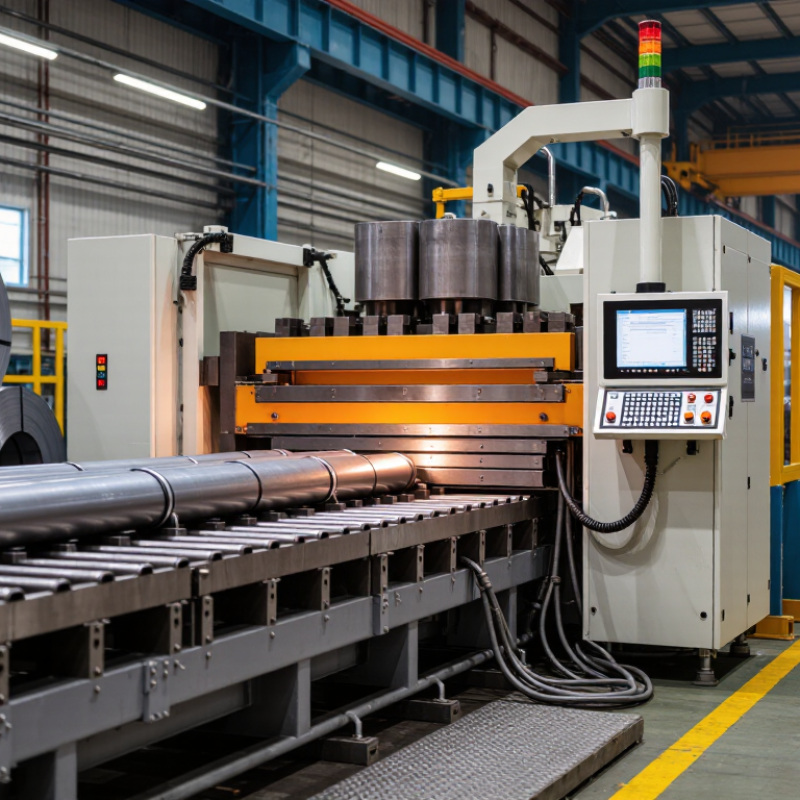
A carbon steel pipe making machine should automate repetitive work without hiding problems from the operator. Look for controlled coil feeding, forming, welding, sizing, and cut-off, with adjustable settings for different pipe dimensions. A clear control panel should show line speed, temperature, and alarms in real time. Recipe storage can reduce setup errors, but operators still need to verify each changeover.
Quality control depends on more than a smooth-looking pipe. Check whether the line supports weld-seam monitoring and regular measurement of outside diameter, wall thickness, and straightness. A practical setup makes it easy to record inspection results and trace them to a production batch. Ask how calibration is handled. A sensor can drift, and a warning light alone will not catch every defect.
Safety features deserve the same scrutiny as output capacity. Fixed guards should protect forming rolls and moving cut-off equipment, while interlocks stop motion when access doors open. Emergency stops must be reachable from normal working positions. Fume extraction near the welding area and clear maintenance procedures also matter. Small details matter. A highly automated line may reduce manual handling, yet complicated controls can slow troubleshooting; test them with the people who will run the machine.
A carbon steel pipe making machine should be judged by support as carefully as by forming speed. Ask each supplier to document commissioning, operator training, spare-parts lead times, and service response targets. Request references from plants producing similar pipe diameters and wall thicknesses. During a trial, use your own coil and inspection criteria. A sensor, roll set, or cooling pump can halt an entire line. Fast support matters.
Operating costs extend beyond the machine’s rated power. The U.S. Energy Information Administration’s Electric Power Monthly put average U.S. industrial electricity prices at about 8.1 cents per kilowatt-hour in 2023. Use your local tariff and measured production-line demand to estimate electricity costs; rated power alone can mislead. Add tooling, maintenance labor, scrap, and changeover time. Easy to miss. A slow setup can quietly erase the savings from a lower purchase price. Compare suppliers using the same output, staffing, and shift assumptions, then request a written estimate for annual service and commonly replaced parts. I would still question any forecast that assumes perfect uptime. Real lines stop, and the cause is not always obvious. Keep the assumptions visible so your team can revise the calculation after installation.
| Comparison Dimension | What to Evaluate | Basic Package Profile | Standard Package Profile | High-Automation Package Profile | Evidence to Request Before Buying |
|---|---|---|---|---|---|
| Product and size range | Confirm the pipe diameter, wall thickness, steel grade, and finished-product tolerances the line is designed to handle. | May cover a narrower product range; verify the limits for the exact configuration. | May offer a broader range through changeovers or adjustable tooling. | May support a wider product mix, but automation does not itself guarantee dimensional capability. | Written capability chart, approved product samples, tooling list, and acceptance-test criteria for your actual specifications. |
| Production capacity | Compare output at your required product dimensions and quality level, not only the machine’s maximum advertised speed. | Capacity depends on line speed, product size, changeovers, and operator workflow. | May balance output and product flexibility for a mixed production schedule. | May reduce some handling delays, but actual output still depends on the full line and operating conditions. | A production estimate stating product dimensions, material, shift pattern, uptime assumptions, and whether output is gross or saleable. |
| Supplier technical support | Assess commissioning, operator training, troubleshooting access, and support availability after installation. | Check which services are included and which require additional fees. | Look for documented installation, training, and remote-support arrangements. | Confirm support for controls, automation, and system integration as well as mechanical equipment. | Written service scope, response-time commitments, escalation contacts, training plan, and travel or labor charges. |
| Spare parts and maintenance | Identify wear parts, recommended inspection intervals, replacement lead times, and local availability. | Check whether common consumables and critical spares are included in the initial package. | Compare the recommended spare-parts inventory with your planned operating schedule. | Include sensors, drives, control components, and other automation-related spares in the plan. | Parts list with part numbers, prices, expected lead times, maintenance schedule, and availability commitments. |
| Energy and utilities | Compare electricity and other utility requirements for the complete line, including auxiliary equipment. | Actual consumption depends on motor loads, product mix, operating rate, and idle time. | Request consumption estimates based on your intended production conditions. | Automation may improve process consistency, but energy savings should be demonstrated rather than assumed. | Installed-power schedule and, where available, measured energy consumption for a comparable product and production rate. |
| Labor and changeover | Evaluate staffing requirements, setup tasks, tooling changes, and the time needed to switch products. | May require more manual adjustment and operator involvement, depending on the design. | May include features that simplify setup; confirm which adjustments are manual. | May automate selected adjustments or handling steps; verify the functions included in the quotation. | Staffing assumptions, changeover procedure, demonstrated changeover time, and a list of included automation functions. |
| Quality control and scrap | Check how the line supports consistent forming, welding, sizing, cutting, and inspection. | Quality outcomes rely on correct setup, operator skill, material consistency, and inspection practices. | May include additional monitoring or control features; confirm their scope and limits. | May provide more process data or automated checks, but inspection capability must be specified. | Quality-control description, sample inspection records, acceptance tolerances, and a clear definition of how scrap is measured. |
| Installation and commissioning | Clarify site preparation, foundations, utilities, installation responsibilities, and acceptance testing. | Confirm whether installation supervision and commissioning are included. | Check the division of work between the supplier and buyer, including electrical and civil work. | Allow for integration and commissioning of controls and connected equipment. | Site-requirements document, installation schedule, responsibility matrix, and signed acceptance-test procedure. |
| Warranty and service terms | Compare coverage, exclusions, start date, remedies, and the process for reporting defects. | Review exclusions for wear parts, consumables, and operating conditions. | Check whether labor, travel, and replacement parts are covered or charged separately. | Confirm coverage for both mechanical equipment and supplied control components. | Full written warranty, service conditions, claim process, and itemized list of exclusions. |
| Total cost of ownership | Compare purchase price plus installation, tooling, utilities, labor, maintenance, spares, and expected downtime. | Lower initial price may be offset by additional setup, service, or operating requirements. | Assess the balance between purchase cost, flexibility, and ongoing support. | Higher initial investment may be justified only if measurable operating benefits fit your production plan. | A multi-year cost model using your own production volume, labor rates, energy tariff, maintenance plan, and financing assumptions. |
| Long-term upgrade value | Consider whether the line can accommodate future products, controls updates, or additional equipment. | Ask which components can be upgraded and whether parts will remain serviceable. | Check compatibility with planned tooling, inspection, and material-handling changes. | Verify software support, control-system documentation, and integration options. | Upgrade roadmap, interface documentation, software-support policy, and pricing for likely future options. |
| Comparison note: The package profiles above are general evaluation categories, not quotations or performance claims for specific suppliers. Machine capability, operating cost, and support terms vary by configuration, product mix, site conditions, and contract. Use written specifications, comparable operating assumptions, and a documented acceptance test when evaluating offers. | |||||