7 Best Tube Mill Making Machines for Global Buyers
Choosing a Tube Mill Making Machine is a production decision, not a catalogue exercise. A line that looks impressive on paper may struggle with your actual strip width, steel grade, wall thickness, or changeover schedule. Manufacturing quality expert W. Edwards Deming wrote, “Quality comes not from inspection, but from improvement of the production process.” His principle is not tube-mill-specific, but it fits the decision: buyers should examine the whole process, from coil feeding and forming to welding, sizing, and cutting.
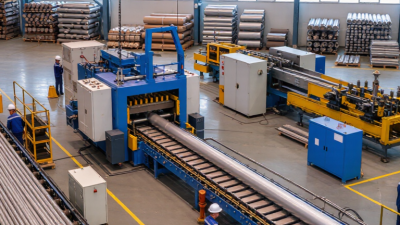
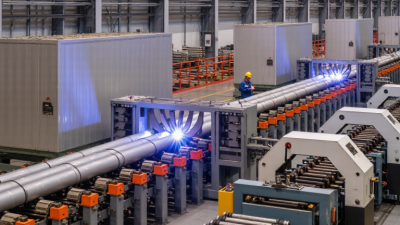
This guide compares seven Tube Mill Making Machine options for global buyers. It considers practical factors: round or shaped tube output, production range, forming stands, weld control, automation, and access to spare parts. Picture a coil unwinding beside a forming section, with operators checking weld seams and adjusting rolls between orders. Those details matter. So do commissioning support, training, and clear maintenance instructions. A fast line can still be a poor fit. A lower purchase price may also hide service delays or costly tooling changes. There is no perfect shortlist for every factory. The right choice depends on products, operators, floor space, and realistic output targets. Some specifications are easy to compare; supplier support is harder to verify. Ask for references, sample runs, and written performance terms before deciding. Then judge each machine against your own production needs, not just the brochure.
How Tube Mill Making Machines Turn Metal Strip into Tubes
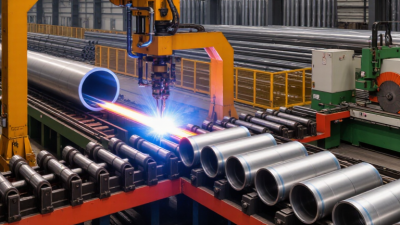
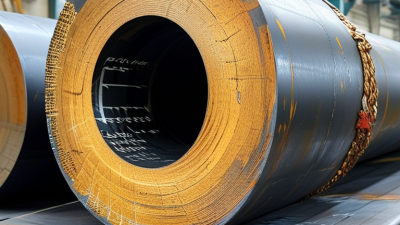
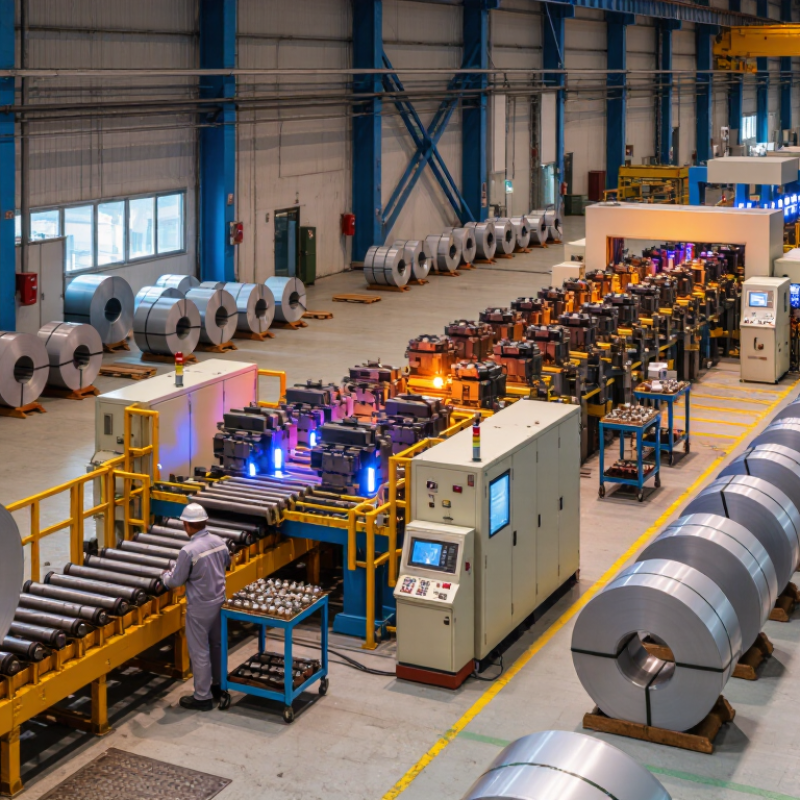
A tube mill begins with a coil of metal strip. The uncoiler feeds it through leveling rolls, which flatten the strip before forming stations bend its edges into a round shape. Each station changes the profile gradually. That steady transition helps limit distortion, though setup errors can still leave a seam misaligned.
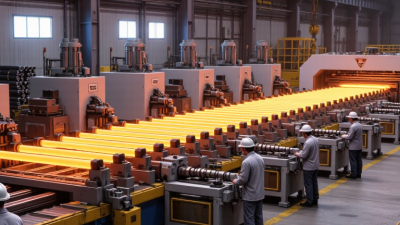
In many mills, high-frequency welding joins the meeting edges without added filler metal. Sizing rolls then refine the tube’s diameter, and a flying cutoff saw separates it into set lengths. World Steel Association’s World Steel in Figures 2024 reports 1.89 billion tonnes of crude steel production in 2023. That figure shows the scale of steel supply, not tube-mill output. Buyers should match mill capacity to strip thickness, tube dimensions, steel grade, and required production speed.
Tips: Ask to see a trial run using material close to your actual specification. Check weld consistency, cut length, and changeover time. Watch the edges. A small setup issue can become a recurring defect.
Key Features to Compare Before Choosing a Tube Mill
When comparing tube mill making machines, match the mill’s working range to your actual orders. Check tube diameter, wall thickness, material grade, and required tolerances. A machine rated for a wide range may not hold the same speed across every size. Ask for production data using material similar to yours. Small details matter.
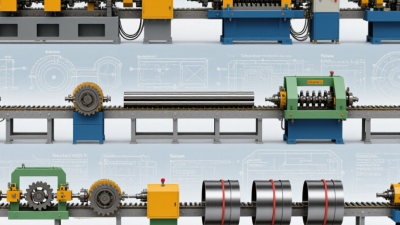
Compare the forming stands, drive system, welding controls, sizing section, and cut-off unit as one production line. Poor coordination can leave burrs, uneven seams, or inconsistent lengths. Review how quickly rolls can be changed, and ask what tools and setup steps the process requires. Look beyond the headline speed. Check maintenance access, spare-part lead times, operator training, and the supplier’s commissioning plan. Request a sample run, then inspect the finished tubes for dimensions and weld consistency. A faster line is not automatically better; changeovers and scrap can erase the gain. Some specifications may look impressive on paper, yet feel less useful beside your real production mix.
Seven Tube Mill Machines for Different Production Needs
Tube mill machines are built around different materials, dimensions, and output targets. High-frequency ERW lines suit steady production of carbon-steel tubes. Stainless-steel TIG mills are often chosen when seam appearance and corrosion resistance matter. For small-diameter precision tubing, a compact mill with close forming and sizing control can help maintain consistent dimensions.
Thick-wall tube production needs robust forming stands and adequate welding capacity. Large-diameter mills handle wider strip and heavier sections, but require more floor space. Square and rectangular tube mills use shaped rolls to form profiles for frames and structural applications. Multi-size quick-change mills serve buyers making several tube sizes on one line. Changeovers still take time. These categories can overlap, so compare the actual material grade, wall thickness, diameter range, and required tolerances before selecting equipment.
A practical review should include roll-change procedures, weld inspection access, cutting accuracy, and operator training. Ask for sample production data using material similar to yours. Check how the line handles startup and size changes, not just its rated speed. No setup is perfect. A faster machine may bring more changeover complexity, while a versatile line may sacrifice output on one specific size. Teams sometimes overlook maintenance access; cramped spaces around forming stands can make routine work slower than expected.
How Tube Material and Application Affect Machine Selection
Tube material and end use should guide machine selection more than headline production speed. Carbon steel, stainless steel, and aluminum respond differently to forming pressure, heat, and welding conditions. A machine suited to one material may need different rolls, tooling, or weld settings for another. Small details matter.
Wall thickness and tube diameter affect forming stability. Thin-wall stock can wrinkle if the forming stages are poorly matched, while heavier sections may demand a stronger drive and frame. For furniture tubing, a clean surface and consistent dimensions may matter most. Structural or fluid-carrying tubes may require tighter control of weld quality and dimensional tolerances. Check the required range, not just the most common size.
The application also shapes the line layout. Long production runs may justify automated sizing and cutting, while frequent product changes call for practical adjustment and quick roll changes. Ask suppliers to run samples using your actual material and thickness, then inspect the seam, straightness, and cut ends. In real evaluations, a specification can look complete but still omit changeover time. That part is easy to overlook. A faster line is not always the better fit if it produces scrap during setup.
Global Buying Considerations: Standards, Service, and Cost
For global buyers, a tube mill’s quoted speed matters less than its ability to maintain tube dimensions and weld consistency. Specify material grades, diameter range, wall thickness, changeover time, and expected output before comparing machines. Confirm which safety and electrical requirements apply at the installation site. Request relevant documentation and a witnessed acceptance test using suitable material, rather than relying on broad assurances. Details matter.
Service can shape production costs long after delivery. Check spare-parts availability, technician response times, commissioning support, and training for operators and maintenance staff. Clarify what remote troubleshooting includes, especially across time zones. Compare the full ownership cost: tooling, shipping, installation, energy use, consumables, and planned maintenance. A low purchase price can look attractive, but a slow changeover or delayed replacement part may erase the savings. Even a detailed spreadsheet can miss downtime.
Tips: Ask for sample tubes made to your specifications. Inspect weld appearance, dimensions, and repeatability. Get service responsibilities and response targets in writing. Leave room in the budget for training; it is easy to underestimate.