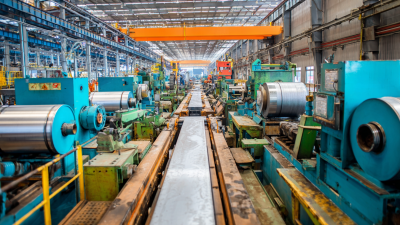
Choosing the right Carbon Steel Tube Mill Pipe Making Machine requires more than comparing production speed. A reliable line must match tube diameter, wall thickness, steel grade, and daily output. In real factory settings, small differences matter. A poorly matched forming stand can create edge stress, uneven welds, or repeated surface marks.
This article examines the top machine types used in modern carbon steel tube production. It considers high-frequency welded tube mills, precision forming machines, sizing units, flying cut-off systems, and automated control platforms. Each machine has a specific role. The forming section shapes the strip gradually. The welding unit closes the seam. Sizing stands improve roundness and dimensional accuracy. Cut-off equipment then produces consistent lengths without slowing the line.
Performance figures alone can mislead. A fast mill may require more maintenance, skilled operators, or higher energy consumption. A slower system may deliver steadier quality and fewer rejected tubes. Buyers should review roll design, motor control, weld monitoring, spare-part access, and after-sales support. These details often decide long-term reliability.
No machine is perfect.
Experienced manufacturers also inspect trial samples before approval. They measure outside diameter, wall thickness, straightness, weld strength, and surface condition. Independent testing can strengthen confidence, especially for structural, automotive, or fluid-transport applications. However, supplier claims still need careful verification. Some specifications look impressive on paper but perform differently under continuous production. This guide offers a practical framework for comparing leading Carbon Steel Tube Mill Pipe Making Machine options and identifying equipment that fits real operating conditions.
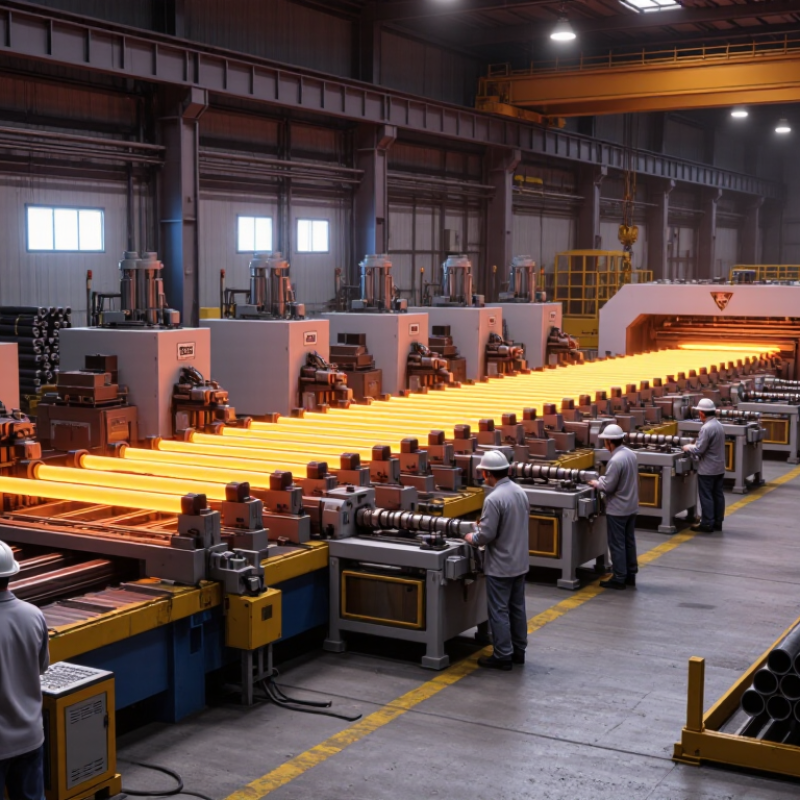
Carbon steel tube mill machines are integrated production systems for making welded steel tubes from coiled strip. They guide, form, weld, size, and cut steel continuously. The process begins when an uncoiler releases a controlled steel strip. A straightener removes coil memory and reduces unwanted bending. Small adjustments matter here.
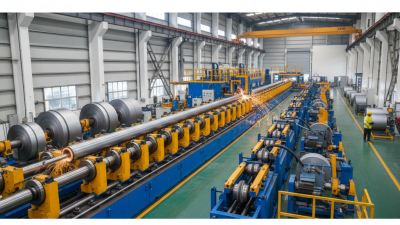
The most important machines include the forming mill, high-frequency welding unit, sizing mill, and flying cut-off machine. Forming rolls gradually bend the strip into a round or shaped tube. The welding unit joins the edges with concentrated heat and controlled electrical energy. A squeeze-roll stand then removes excess weld material and supports a consistent seam. Sizing rolls correct diameter, roundness, and surface alignment. The cut-off machine produces specified lengths without stopping the line.
Experienced operators also depend on entry guides, loopers, cooling sections, and online inspection tools. These components control strip tension, temperature, and tracking. A diameter gauge can detect drift before a full bundle becomes unusable. Weld monitoring may reveal unstable power, contamination, or poor edge preparation. Results still depend on steel grade, thickness, roll calibration, and maintenance discipline. Machines do not correct every setup mistake.
In practical production, reliable output means more than speed. It requires repeatable dimensions, clean welds, stable feeding, and documented checks. I have found that minor alignment errors often create larger problems downstream. Regular roll inspection and measured calibration help, though they cannot replace skilled judgment. A suitable mill should match the required tube profile, wall thickness, production volume, and testing standard.
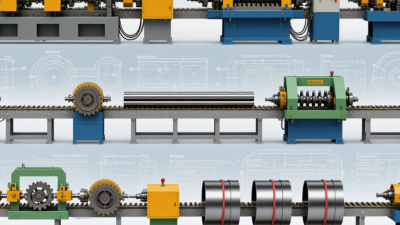
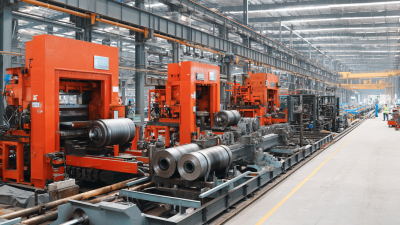
Carbon steel pipes begin as coiled strip, not as finished round sections. A decoiler unwinds the strip at a controlled speed. The strip then passes through a straightening unit and enters the forming section. Several roll stations gradually bend the flat steel into an open tube. Each station changes the shape slightly, reducing stress and surface damage. Small alignment errors can create larger problems later.
At the weld box, the tube edges meet under pressure. High-frequency welding heats the edges rapidly, creating a continuous seam without adding filler metal. Skilled operators monitor power, line speed, and edge alignment during this stage. The process looks simple. It is not. Excessive heat may weaken the seam, while insufficient heat can leave incomplete bonding. An induction or contact heating system must stay stable as the strip moves.
After welding, scarfing tools remove the raised bead from the outer surface. Sizing rolls then bring the tube to its specified diameter and roundness. A cutting machine separates each pipe into precise lengths, often while the mill continues running. Online inspection may check weld integrity, dimensions, and visible defects. Testing is essential, but it is not perfect; calibration, sampling, and operator judgment still affect reliability. In my experience, clean rolls and consistent strip quality often matter as much as advanced equipment. A powerful mill cannot fully correct poor material preparation.
What Are the Top Carbon Steel Tube Mill Pipe Making Machines?
The main types of carbon steel tube mill pipe making machines serve different production needs. High-frequency welded tube mills form steel strip, weld the seam, and size the tube through several roller stands. They suit structural tubes, water lines, and general engineering products. A typical line includes an uncoiler, leveler, forming section, welding unit, sizing stands, flying saw, and inspection equipment. Small alignment errors can create visible seam defects.
Spiral welded pipe machines form steel strip into a continuous helix. They can produce large-diameter pipes while using relatively flexible strip widths. These systems often support piling, low-pressure transport, and construction applications. Submerged arc welding equipment may be added for heavier wall thicknesses. Production is slower than many high-frequency lines, but diameter changeovers can be practical.
Seamless tube machines use billet heating, rotary piercing, elongation, sizing, and cutting. They avoid a welded seam and support demanding pressure or mechanical applications. However, they require higher investment, precise heating control, and careful material tracking. Cold drawing machines can further improve outside diameter accuracy and surface quality.
The World Steel Association reported 1,888.2 million tonnes of global crude steel production in 2023, showing the scale of the raw-material base. Its World Steel in Figures 2024 also highlights major regional differences in output. That data does not determine the best mill. In practice, tube diameter, wall thickness, grade, tolerance, energy cost, and inspection requirements matter more. Many buyers underestimate tooling changes. That mistake deserves a second review.
| Machine Type | Typical Manufacturing Process | Common Tube Outside Diameter | Typical Wall Thickness | Suitable Carbon Steel Forms | Typical Line Speed | Main Applications | Key Advantages |
|---|---|---|---|---|---|---|---|
| High-Frequency Welded Tube Mill | Continuous roll forming followed by high-frequency induction or contact welding | Approximately 12–630 mm | Approximately 0.8–16 mm | Carbon steel strip and hot-rolled or cold-rolled coil | About 20–120 m/min, depending on size and thickness | Structural tubes, furniture tubes, mechanical tubes, and general-purpose pipe | High productivity, continuous operation, consistent weld quality, and relatively low material waste |
| ERW Pipe Mill | Roll forming, edge heating, electric resistance welding, sizing, cutting, and inspection | Approximately 20–610 mm | Approximately 1.2–20 mm | Low-carbon and medium-carbon steel strip | About 15–100 m/min | Water and gas pipe, construction pipe, line pipe, and industrial tubing | Reliable production of straight welded pipe with good dimensional control |
| Spiral Submerged Arc Welded Pipe Mill | Steel strip is helically formed and joined by submerged arc welding on the inside and outside | Approximately 219–3,000 mm | Approximately 5–25 mm | Hot-rolled carbon steel coil or plate strip | About 1–8 m/min | Large-diameter water pipelines, piling, low-pressure transmission lines, and structural projects | Produces large diameters with comparatively flexible width and coil utilization |
| Longitudinal Submerged Arc Welded Pipe Mill | Plate edge preparation, U-O forming or progressive forming, and submerged arc welding | Approximately 406–1,620 mm | Approximately 6–40 mm | Heavy carbon steel plate | About 0.3–3 m/min | High-strength transmission pipe, structural columns, piling, and large-diameter pressure pipe | Suitable for heavy wall thicknesses, high-strength grades, and demanding weld requirements |
| Cold-Drawn Welded Tube Line | A welded tube is reduced through drawing dies, often with annealing, straightening, and cutting | Approximately 6–120 mm | Approximately 0.5–8 mm | Low-carbon and medium-carbon steel tubes | About 5–40 m/min per drawing pass | Precision mechanical tubes, automotive components, hydraulic cylinders, and boiler parts | Improves dimensional accuracy, surface finish, concentricity, and mechanical properties |
| Square and Rectangular Tube Mill | Round tube forming and welding followed by sizing rolls that create square or rectangular profiles | Approximately 15–300 mm across the section | Approximately 0.8–12 mm | Low-carbon structural steel strip | About 20–100 m/min | Steel frames, scaffolding, agricultural equipment, racks, and furniture | Efficient production of uniform hollow sections with good strength-to-weight performance |
| Galvanized Carbon Steel Tube Mill | Tube forming and welding combined with inline or offline zinc coating, drying, and finishing | Approximately 15–300 mm | Approximately 0.8–8 mm | Low-carbon steel strip or pre-galvanized steel strip | About 20–80 m/min | Conduit, fencing, greenhouse structures, light construction, and drainage systems | Adds corrosion resistance and can reduce the need for post-installation painting |
| Precision Tube Mill with Online Inspection | High-accuracy roll forming and welding supported by ultrasonic, eddy-current, dimensional, and surface inspection | Approximately 8–150 mm | Approximately 0.5–6 mm | Cold-rolled or pickled and oiled carbon steel strip | About 20–90 m/min | Automotive, energy equipment, precision machinery, and engineered components | Tight tolerances, traceable quality control, reduced defect escape, and stable production |
Note: Capacity, diameter range, wall thickness, and line speed vary according to steel grade, strip width, forming method, welding process, tooling design, and finished-product standards.
High-performance carbon steel tube mill equipment must deliver stable forming, accurate welding, and repeatable sizing. In practical evaluations, the forming stands deserve close attention. Rigid frames reduce vibration as steel strip moves through the line. Adjustable rolls help operators control diameter changes without lengthy replacement work. Good machines also use guided entry sections, which keep the strip centered before forming begins.
The welding unit is equally important. A reliable system maintains steady heat while monitoring weld speed and electrical output. Automatic seam tracking can reduce visible defects along the finished tube. Cooling should be even, not rushed. Uneven cooling may create stress, ovality, or difficult cutting conditions. Laser or digital gauges can check outside diameter, wall consistency, and length during production. Clear data matters.
Cutting equipment should produce square ends with minimal burrs. Servo-driven flying saws often support continuous production better than stop-and-cut systems. Safety guarding, emergency controls, and simple access points improve daily reliability. Operators need readable screens and fast adjustment options. Small details count. From my observations, even advanced lines can lose accuracy when rolls are poorly aligned or sensors are ignored. Maintenance records, calibration checks, and sample inspections should guide decisions. No machine performs perfectly without disciplined operation.
Selecting the right carbon steel tube mill machine starts with the product, not the advertised speed.
Define tube diameter, wall thickness, steel grade, tolerance, and annual output. A high-frequency welded mill suits many structural and mechanical tubes. However, thicker sections may require stronger forming stands and greater welding capacity. The machine must also support stable uncoiling, accurate strip guidance, reliable edge preparation, and controlled sizing.
Industry data gives this decision wider context.
The World Steel Association reported global crude steel production at about 1.9 billion tonnes in 2023. That scale increases pressure to reduce scrap and improve line utilization. Ask suppliers for verified yield data, changeover time, and weld rejection rates.
A fast mill with frequent stoppages is not efficient. It only looks impressive.
Energy use deserves attention. The International Energy Agency identifies iron and steel as responsible for roughly 7–9% of global carbon dioxide emissions. Choose servo-driven forming, efficient induction welding, and heat recovery where practical. Confirm performance through factory acceptance testing.
Review compliance with applicable standards, such as ASTM A53, ASTM A500, or ISO 3183, depending on the tube’s application.
Small details matter: automatic gauge control, real-time weld monitoring, and accessible tooling can protect production quality.
I would not trust a promise based only on maximum speed. Actual results depend on coil quality, operators, maintenance, and tooling design. That part is easy to underestimate.