China Top 10 Carbon Steel Tube Mill Pipe Making Machines?
China remains the world’s largest steelmaking country, creating strong demand for efficient tube production equipment. World Steel Association data reports that China produced approximately 1.019 billion tonnes of crude steel in 2023. This scale supports a competitive market for forming, welding, sizing, and cutting systems. It also raises buyer expectations.
A Carbon Steel Tube Mill Pipe Making Machine must deliver stable dimensions, reliable weld quality, and practical maintenance access. A typical ERW line may include decoiling, strip leveling, forming stands, high-frequency welding, sizing, and flying cut-off equipment. Operators watch the weld seam closely, especially when producing thin-wall tubes at high line speeds. Small alignment errors can create ovality, burrs, or rejected pipe.
This guide examines ten notable Chinese machine suppliers and production systems. The comparison considers mill capacity, tube diameter range, wall-thickness control, automation, energy use, and after-sales support. These factors matter more than attractive catalog photographs. According to the International Energy Agency, steel production remains highly energy intensive, so efficient welding and drive systems deserve serious attention.
The ranking is not absolute. That needs saying.
A smaller factory may prefer a flexible mill for multiple tube sizes. A large manufacturer may require continuous production, online inspection, and automatic bundling. ISO 9001 certification can support process consistency, but certification alone does not guarantee machine performance. Factory trials, reference installations, and measured sample pipes remain essential evidence. Buyers should request production data, weld test results, spare-parts lists, and realistic delivery terms before choosing among China’s top ten Carbon Steel Tube Mill Pipe Making Machine options.
Carbon Steel Tube Mill Pipe Making Machines: An Industry Overview
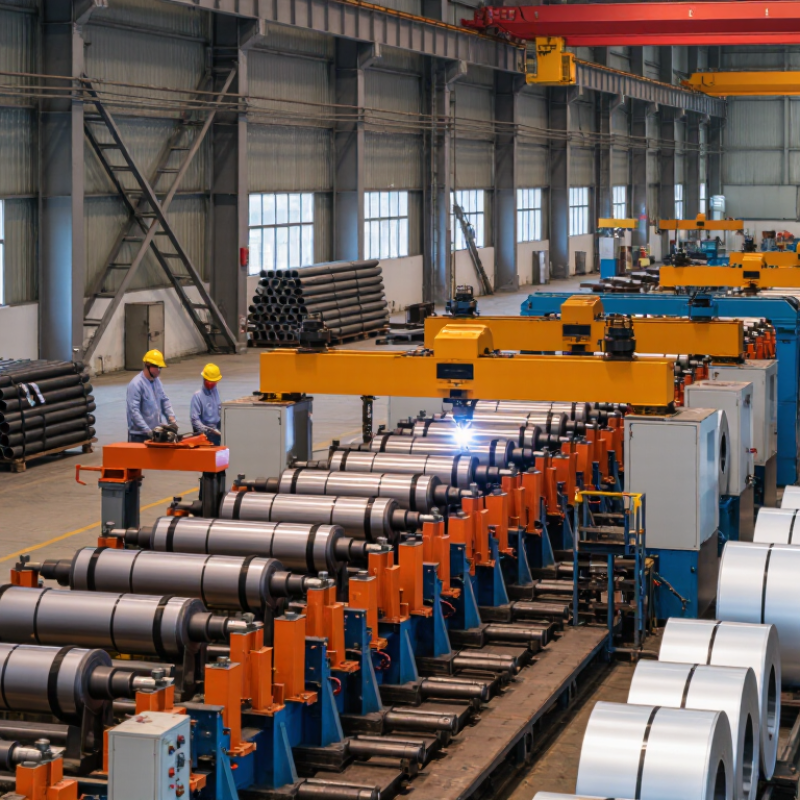
Carbon steel tube mill pipe making machines form a connected production system, not a single device. The process usually begins with a coil uncoiler and strip straightener. Entry guides then control the steel strip before forming starts. This detail matters.
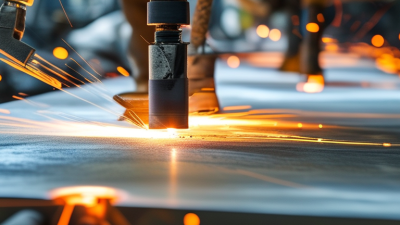
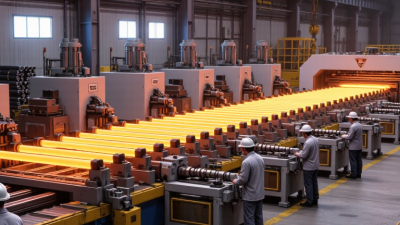
A forming mill gradually bends the strip through several roller stands. High-frequency welding joins the edges with controlled heat and pressure. A weld bead scarfing unit removes excess material from the surface. Sizing stands refine the tube diameter and improve roundness. Flying saws cut fixed lengths without stopping the line. Some facilities also use end-facing machines, hydrostatic testers, and automatic packing equipment.
Reliable production depends on more than machine speed. Operators should monitor strip thickness, weld temperature, line tension, and roller alignment. A small alignment error can create visible seams or uneven walls. Quality teams commonly check dimensions, surface condition, weld integrity, and mechanical performance. Test records should remain traceable for each production batch. That practice supports safer purchasing and more consistent delivery.
Energy use, maintenance access, and changeover time also influence equipment value. Quick-adjust tooling may reduce downtime when production changes. However, automatic features can increase setup complexity. This trade-off deserves careful review. In real workshops, dust, vibration, and inconsistent raw material often affect performance. Even well-designed machines need skilled inspection and periodic calibration. Claims about the “top 10” should therefore consider application, output range, steel grade, service support, and verified operating results.
How Carbon Steel Tube Mill Machines Work
Carbon steel tube mill machines turn flat steel strip into round, square, or rectangular tubes. The process begins with an uncoiler feeding a steel coil into the production line. A leveling unit removes bends and keeps the strip stable. Small alignment errors can affect the entire tube.
Forming stands gradually bend the strip with shaped rollers. Each stand changes the angle slightly, reducing stress and surface damage. At the welding station, the open edges meet under controlled electrical heat. High-frequency current melts a narrow seam without adding filler metal. Cooling follows immediately. Sizing rolls then set the final diameter and improve straightness. A flying saw cuts the continuous tube into measured lengths. Modern control panels monitor speed, temperature, weld power, and line pressure.
Experience shows that clean strip edges and steady coil tension matter greatly. Operators inspect the weld area, measure wall thickness, and test sample sections during production. Poor lubrication or worn rollers may create scratches, oval shapes, or uneven seams. These defects are easy to miss at high speed. They should not be ignored. Machine specifications also need careful review, because maximum speed does not always mean better output. A slower, well-adjusted line can produce more reliable tubes and reduce material waste.
Key Equipment in a Complete Tube Mill Production Line
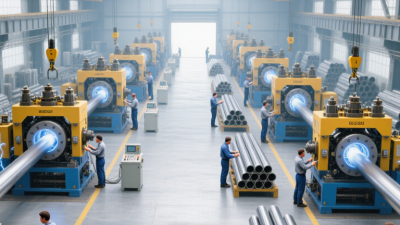
A complete carbon steel tube mill production line depends on coordinated equipment, not one impressive machine. The process usually begins with a coil loading system and a hydraulic decoiler. A strip straightener removes coil memory before the entry guide centers the material. The forming mill then uses several roller stands to shape the strip into a round tube. Accurate roll adjustment matters. Small errors can create uneven edges.
The welding section joins the open seam through controlled electric resistance welding. A squeeze stand maintains pressure while the weld area stays stable. After welding, an external bead scraper removes excess metal. The sizing mill calibrates the tube diameter and improves straightness. Online sensors can monitor speed, temperature, and weld consistency. They are useful, but operators still need practical judgment.
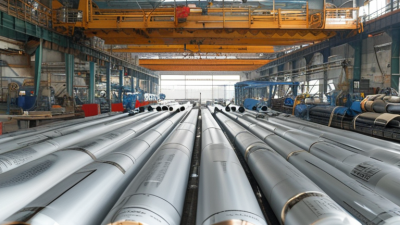
The final equipment includes a flying saw, run-out table, and tube bundling system. The flying saw cuts moving tubes without stopping production. A run-out table supports finished lengths and prevents surface damage. Inspection tools should check dimensions, weld appearance, and basic mechanical performance. Packing equipment then separates bundles by size and order.
In real workshops, maintenance is often underestimated. Dirty rollers, loose guides, or poor lubrication can reduce accuracy quickly. Production data may look acceptable while small defects accumulate. Experienced technicians therefore inspect tooling, cooling water, and alignment during every shift. Some lines need custom adjustments because steel thickness, coil width, and target diameter vary. One standard setup rarely fits every job.
China’s Top 10 Carbon Steel Tube Mill Machine Manufacturers
China’s top ten carbon steel tube mill machine manufacturers are often compared by engineering depth, not brochure claims. A capable manufacturer can design the complete line, from coil loading to automatic cutting. Its equipment may include an uncoiler, leveler, forming stands, high-frequency welder, sizing section, and flying saw. These details matter on a busy factory floor.
Experienced suppliers usually provide production lines for round, square, and rectangular tubes. Some support carbon steel strips from 1.5 to 6 millimeters thick. However, actual capacity depends on steel grade, tube diameter, welding speed, and operator skill. This is where simple rankings become unreliable. A machine producing 80 meters per minute may perform poorly with inconsistent strip edges.
Strong manufacturers explain their tolerances clearly. They discuss weld stability, roll design, motor control, spare parts, and maintenance access. Factory acceptance testing should use the buyer’s material whenever possible. Check the weld seam, tube straightness, surface marks, and cutting accuracy. Ask for electrical drawings and training records.
Not everything runs perfectly. Roll changes can take longer than promised. Sensors may need adjustment after installation. Good manufacturers admit these risks and document the correction process. Their service engineers should respond with measurements, not vague assurances. A practical buyer should inspect reference lines, review test reports, and calculate energy use before signing. The cheapest quotation is rarely the lowest operating cost.
How to Select the Right Carbon Steel Tube Mill Machine
Selecting among China’s top carbon steel tube mill machines requires more than comparing advertised speed. Start with your actual tube range. Define outside diameter, wall thickness, steel grade, and required monthly output. A machine designed for thin-wall tubes may struggle with heavier sections. Check forming stability, weld control, cooling capacity, and cutting accuracy. Small errors become costly after thousands of metres.
I have found that reliable selection depends on test evidence, not attractive specifications. Ask for sample production using your own steel coil. Inspect weld appearance, ovality, straightness, and end-cut quality. Review motor ratings, roll material, tooling changeover time, and spare-part availability. The control system should record production data and alarm history. It should also allow trained operators to adjust settings safely. A faster line is not always better. Excessive speed can increase weld defects and maintenance pressure.
Tips: Compare total operating cost, not only purchase price. Request a clear layout drawing and utility list. Confirm installation support, operator training, and inspection procedures. Leave space for future tooling changes. Also, question optimistic output figures. Real production often falls below laboratory results, especially when coils vary in thickness or surface condition. That detail is easy to overlook. Your best choice may be a slower, stable mill with practical service access and measurable quality controls.
China Top 10 Carbon Steel Tube Mill Pipe Making Machines
How to Select the Right Carbon Steel Tube Mill Machine
The chart presents a practical engineering priority model for selecting a carbon steel tube mill. Material thickness, tube diameter range, welding stability, production speed, dimensional accuracy, and changeover time should be matched to the required product specifications and annual output. The scores are relative procurement priorities, not manufacturer rankings or brand data.