Leave Your Message

7 Best High Quality Pipe Making Machines in 2026

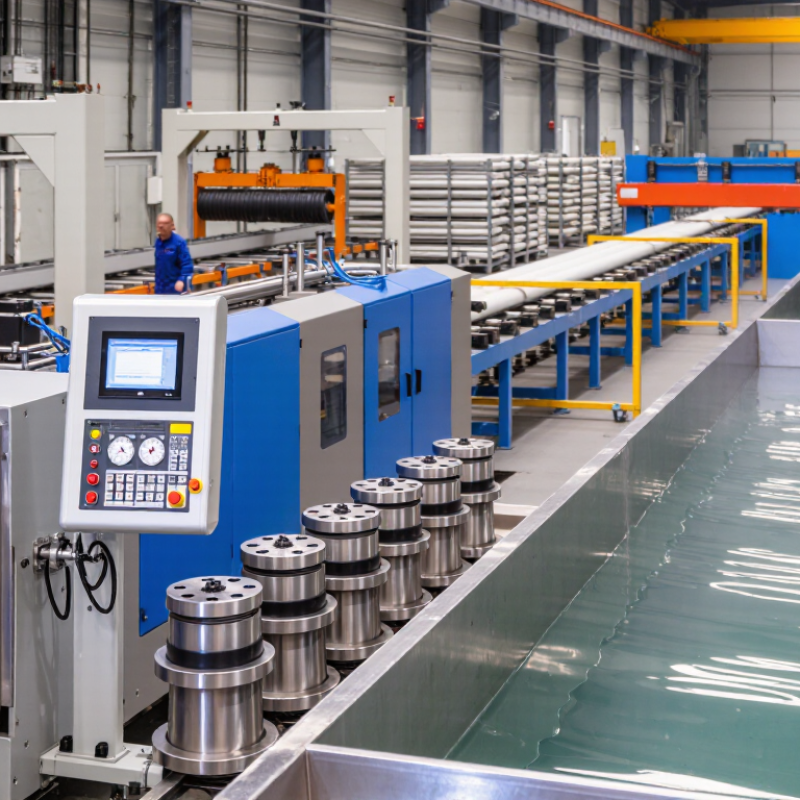
Pipe production depends on more than a machine’s advertised speed. The right line must match the pipe material, diameter range, wall thickness, and expected output. A typical setup may include an extruder, sizing tools, a cooling tank, a haul-off unit, and a cutter. Each stage affects the next. A poorly matched cutter or unstable cooling system can create scrap, even when the extruder performs well.

This guide to the 7 Best High Quality Pipe Making Machines in 2026 looks at practical factors behind a sound equipment choice. High Quality Pipe Machine Equipment should offer dependable controls, consistent output, accessible maintenance points, and support for the products a factory actually makes. Specifications matter, but so do details such as die-change time, spare-part availability, and how clearly operators can read the control panel. Small details count.

Machine comparisons can be imperfect. Published capacity figures may rely on specific materials, tooling, or operating conditions, so they do not always predict results on a busy factory floor. Buyers should confirm test conditions and ask how performance changes across pipe sizes. No machine is perfect. A careful review of capabilities, limitations, and service needs can help manufacturers shortlist options with realistic expectations, rather than choosing based on a headline number alone.
7 Best High Quality Pipe Making Machines in 2026

Pipe Making Machines: Main Types and Production Processes

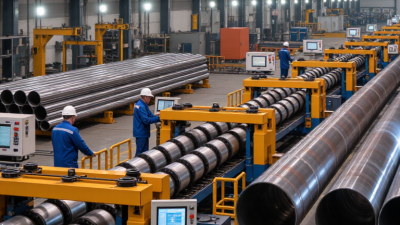
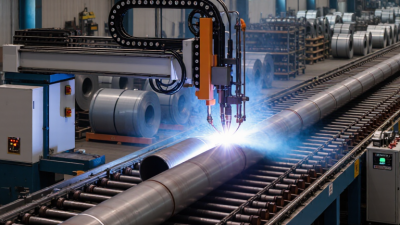
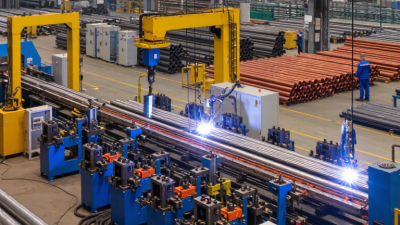
Pipe making machines are selected by material, diameter, wall thickness, and expected output. An electric resistance welding (ERW) line forms steel strip into a tube, welds the seam, then sizes and cuts the pipe. Strip edges need consistent alignment. Small variations can affect seam quality.

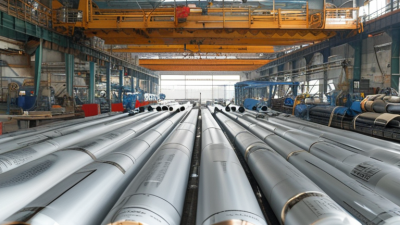
Seamless pipe equipment follows a different route. A heated billet is pierced, then rolled and drawn into a hollow tube. This process avoids a welded seam, but equipment and process control are demanding. Longitudinal and spiral welding lines shape steel plate or coil before joining the edges. Spiral forming can accommodate different pipe diameters, while plate-based lines suit large sections. The choice is not always obvious.

Plastic pipe extrusion machines melt resin and push it through a die to create a continuous pipe. A vacuum sizing tank helps hold its dimensions as it cools; a haul-off unit controls its speed, and a cutter sets the length. Operators monitor temperature, pressure, and cooling because changes can cause ovality or uneven walls. Details matter. Production planning should also account for setup time, inspection, and the space needed for handling long pipes. A fast line may still be a poor fit if its changeovers interrupt the required product mix.
Key Features of High-Quality Pipe Making Machines

A high-quality pipe making machine keeps material flow steady and dimensions consistent across long production runs. For plastic pipe, stable heating zones help prevent uneven melting; for metal tube, rigid forming stands support accurate shaping. The machine should match the material, diameter range, and wall thickness you actually produce. One machine rarely does everything equally well.

Look for precise temperature and speed controls, plus sensors that flag drift before it creates a pile of rejects. A clear control screen helps operators adjust settings without guessing. Small details matter. Check the die or tooling changeover time, too. A quick change can save hours, but only if replacement parts are easy to handle and align.

Cooling, sizing, and cutting systems affect the finished pipe as much as forming does. Inspect samples for ovality, rough edges, and inconsistent lengths after a trial run. Ask suppliers for operating data under conditions close to yours, not just ideal demonstrations. Noise, scrap levels, and cleaning time are easy to overlook. They can still shape daily costs. No specification sheet replaces a careful production test.

Seven Leading Pipe Making Machines to Consider in 2026

Seven Leading Pipe Making Machines to Consider in 2026

Choosing among seven machine types starts with the pipe material and production target. Options include PVC and polyethylene extrusion lines, multilayer pipe lines, corrugated pipe machines, spiral steel pipe mills, electric-resistance-welded pipe mills, and stainless-steel tube mills. Each suits different wall thicknesses, diameters, and end uses. A corrugator, for example, forms deep ribs for drainage pipe, while a steel mill relies on stable forming and welding. One setup rarely fits every job.

Market figures add context, not a buying decision. Fortune Business Insights estimated the global plastic pipes market at about USD 63.26 billion in 2023, with growth projected through 2032. That outlook supports demand for efficient production, but it does not guarantee orders for any single factory. Compare output per hour, energy use, changeover time, and scrap rates under your own material and operating conditions. Ask suppliers for trial-run data and inspect finished samples. Small details matter. Yet published figures can be difficult to compare because reports may use different market definitions.

Tips: Match the machine to your required pipe range, then check tooling costs, controls, and maintenance access. Request a live trial with your intended resin or metal. A bright control screen means little if changeovers take hours.

7 Best High Quality Pipe Making Machines in 2026 — Seven Leading Pipe Making Machines to Consider in 2026

This comparison covers established pipe-making machine types rather than specific models or brands. Diameter ranges are indicative examples; actual capabilities depend on equipment configuration, material, and production requirements.

Machine Type Typical Pipe Material Typical Diameter Range Main Production Process Common Applications Quality Checks to Consider
High-Frequency ERW Tube Mill Carbon steel and low-alloy steel strip Approximately 10–610 mm, depending on mill configuration Forms strip into a tube, welds the seam using high-frequency electrical resistance, then sizes and cuts the tube. Structural tubing, fencing, furniture, automotive components, and fluid-service pipe. Weld-seam inspection, dimensional checks, surface inspection, and appropriate hydrostatic or nondestructive testing.
Spiral Submerged Arc Welded Pipe Mill Carbon steel plate or coil Approximately 219–3,500 mm, depending on line design Forms steel strip helically and welds the spiral seam, commonly using submerged arc welding. Water transmission, piling, structural applications, and selected oil and gas pipeline projects. Seam radiographic or ultrasonic examination, weld-process monitoring, dimensional checks, and hydrostatic testing where specified.
Longitudinal Submerged Arc Welded Pipe Line Carbon steel and low-alloy steel plate Approximately 406–1,620 mm, depending on line design Forms plate into a cylinder and welds one or more longitudinal seams, commonly with submerged arc welding. Large-diameter transmission pipelines, water mains, and heavy structural pipe. Weld-seam nondestructive examination, plate and weld traceability, dimensional inspection, and hydrostatic testing as required.
Seamless Pipe Production Line Carbon steel, alloy steel, and stainless steel billets Approximately 10–660 mm across different mill configurations Heats solid billets, pierces them to form hollow shells, then rolls, sizes, and finishes the seamless pipe. Boiler and pressure-service tubing, mechanical tubing, and applications requiring pipe without a welded seam. Wall-thickness and dimensional inspection, material testing, surface examination, and ultrasonic or other specified testing.
PVC Pipe Extrusion Line Rigid PVC compound, including formulations for uPVC pipe Approximately 16–630 mm, depending on extrusion and downstream equipment Plasticizes compound in an extruder, shapes it through a pipe die, then cools, hauls off, and cuts the pipe. Drainage, conduit, irrigation, and water-distribution pipe, subject to the applicable pipe standard and formulation. Outside diameter, wall thickness, roundness, appearance, and application-specific pressure or impact tests.
HDPE Pipe Extrusion Line High-density polyethylene (HDPE) resin Approximately 16–1,600 mm across different line configurations Melts resin in an extruder, forms a continuous pipe through a die, and controls cooling, haul-off, and cutting. Water and gas distribution, irrigation, drainage, and industrial fluid conveyance, subject to material grade and local standards. Diameter and wall-thickness measurement, surface checks, resin and batch traceability, and specified pressure or fusion-related tests.
Concrete Pipe Making Machine Concrete reinforced with steel cage or other specified reinforcement Approximately 300–3,600 mm, depending on machine type and mold setup Compacts concrete in a mold using a process such as vibration, radial compression, or roller suspension; the pipe is then cured. Stormwater drainage, sewer systems, culverts, and other buried infrastructure. Dimensional and visual inspection, reinforcement placement, concrete strength, joint geometry, and watertightness testing where required.

Comparing Machines by Pipe Material and Production Needs

A pipe-making line should match the material before it matches the advertised output. For PVC and HDPE, extrusion lines need stable temperature control, suitable screw design, and accurate cooling and sizing. A small change in cooling can leave a pipe oval or uneven. For steel, an ERW line forms and welds strip; buyers should check wall-thickness range, weld inspection, and changeover time. Concrete pipe equipment serves a different job, often prioritizing mold handling, vibration, and curing space.

Market data helps explain why plastic capacity is drawing attention, but it does not pick a machine for you. Grand View Research’s Plastic Pipes Market report valued the global market at USD 62.43 billion in 2023 and projected 5.1% annual growth from 2024 to 2030. Those figures cover products, not equipment demand. Still, they support close evaluation of extrusion capacity, resin use, and expected shifts in pipe sizes.

For high-volume standard sizes, prioritize line speed and reliable automatic cutting. For mixed orders, quick die changes and a flexible haul-off may matter more. Fit matters. Ask suppliers to run your actual material and wall thickness, then inspect samples for roundness and surface finish. One weakness in many comparisons is that they quote maximum speed, not sustained output. I would treat that number cautiously; real production includes stoppages, scrap, and operator adjustments.

How to Select and Maintain a Pipe Making Machine

7 Best High Quality Pipe Making Machines in 2026

How to Select and Maintain a Pipe Making Machine

Choosing a pipe making machine starts with the product, not the advertised speed. List your required pipe diameter, wall thickness, material, and daily output. Check that the forming range and tooling match those needs. A machine that runs quickly but requires frequent changeovers may slow a mixed-product line. Ask to see a trial using material similar to yours. Inspect sample pipes for roundness, consistent dimensions, and a clean seam. Small details matter.

Before purchasing, review setup time, operator controls, guarding, spare-part availability, and the maintenance instructions. Confirm what routine adjustments your staff can perform and when qualified service is needed. During operation, keep a record of speed, defects, and stoppages. These notes can reveal recurring alignment or tooling issues. Real production is messy; a perfect showroom run is not enough.

Tips: At the start of each shift, check fasteners, lubrication points, and visible wear on rolls and bearings. Remove metal dust using the method recommended in the manual. Never clean or adjust moving equipment. Isolate power before maintenance, and replace worn parts before they affect pipe quality. If defects persist, stop and investigate rather than simply increasing pressure. A missed inspection can happen, so keep the checklist practical and use it.