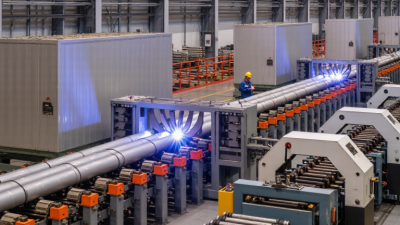
Choosing a supplier for Square Tube Mill Pipe Making Machinery means looking beyond the machine’s quoted speed. A square tube line must form, weld, size, and cut profiles consistently, often across different dimensions and wall thicknesses. Each stage affects the next. Poor alignment can show up as uneven corners, unstable welding, or extra adjustment during production.
This guide introduces ten manufacturers serving the square tube mill market. It considers practical factors such as forming-stand design, welding equipment, line controls, changeover time, and access to spare parts. Buyers should also ask how a supplier handles installation, operator training, and technical support after commissioning. These details matter when a line is expected to run through long production shifts.
Not enough.
A polished brochure cannot confirm how a machine will perform in a specific factory. Request sample specifications, clarify the materials and tube sizes the line can process, and compare service commitments in writing. If possible, speak with existing customers or inspect a working installation. Even a useful shortlist has limits: the best fit depends on production volume, budget, local support, and the buyer’s own technical requirements. The manufacturers included here offer a starting point for comparison, not a substitute for careful due diligence.
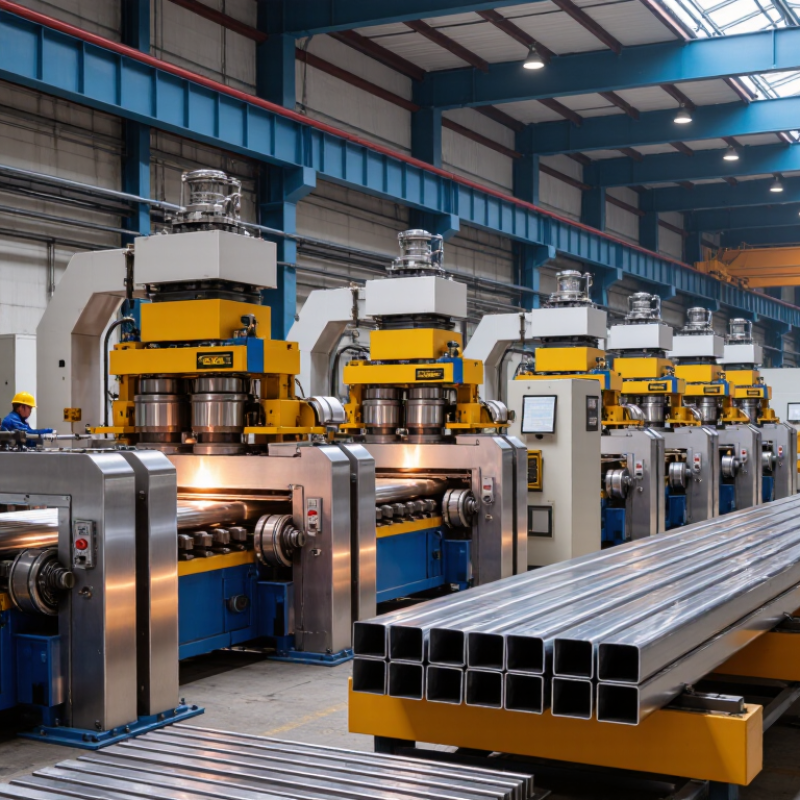
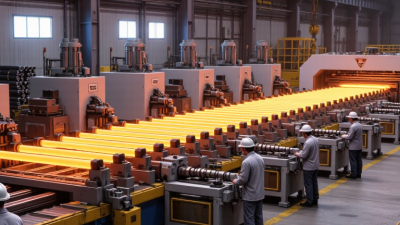
A square tube mill converts flat steel strip into square or rectangular hollow sections. The coil is unrolled, leveled, and fed through forming stands. Each stand bends the strip gradually until its edges meet. A high-frequency resistance welder joins the seam. Sizing rolls refine the tube’s dimensions, and a flying saw cuts it to length. The finished profile looks simple. Its accuracy depends on controlled, repeatable forming.
Mill settings matter. The World Steel Association’s World Steel in Figures 2025 reports 1,882.6 million tonnes of crude steel production worldwide in 2024. This is not square-tube output, but it shows the scale of upstream steel supply. On a tube line, strip thickness, material strength, weld heat, roll alignment, and speed interact. A small mismatch can cause twisting, corner marks, or a weak seam. A perfect first setup is rare; operators often adjust settings after inspecting sample cuts and weld quality.
Tips: Match the forming rolls to the tube size and strip thickness. Check seam consistency and corner shape during setup, not just at the end. Keep notes on adjustments; small details are easy to forget.
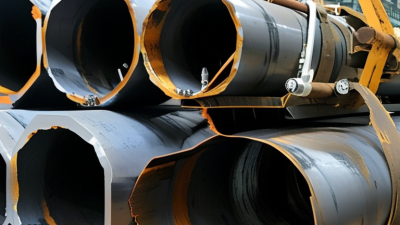
Typical sequence of operations in an electric-resistance-welded (ERW) square-tube production line.
The bars show the order of the main production steps, not processing time or machine output. Line configurations can vary by mill design and product specification.
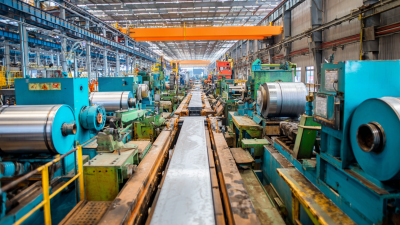
A square tube mill turns a flat steel strip into a welded, sized profile. The line typically includes a decoiler, strip leveler, forming stands, high-frequency welder, sizing rolls, cutoff saw, and runout table. Each component affects the next. Poor strip alignment can cause uneven edges before forming even begins.
Forming rolls gradually bend the strip into a round tube, then shape it into a square profile. At the weld station, heated edges meet under pressure; squeeze rolls help form a continuous seam. Heat is unforgiving. Operators monitor weld appearance, line speed, and material thickness, adjusting settings when the seam looks inconsistent. A flying cutoff saw then cuts the moving tube to length, while sizing rolls help control its dimensions.
The World Steel Association’s World Steel in Figures 2025 reports global crude steel production of 1,882.6 million tonnes in 2024. That scale underscores why stable, repeatable processing matters, though it does not measure square-tube output specifically. In practice, the production sequence is less tidy than a diagram suggests: roll wear, strip camber, and setup changes can affect finished dimensions. Small errors matter. Regular checks of alignment, weld quality, and cut length help identify problems before they multiply.
When comparing square tube mill manufacturers, start with the products you actually run. Check tube dimensions, wall thickness, steel grades, and changeover time against your production schedule. A mill that handles a wide range on paper may struggle with thin-wall sections at speed. Ask for sample runs using comparable material, not polished footage from an ideal setup. Numbers need context.
Evaluate forming, welding, sizing, and cutting as one connected line. Look for stable seam tracking, consistent corner geometry, and repeatable length accuracy across a full shift. Request measured samples and operating data, including scrap rates and achievable output for your specifications. Ask to see it. A factory visit or live test can reveal vibration, awkward roll changes, and access issues that brochures miss.
Check engineering support, installation training, spare-part lead times, and troubleshooting response. Confirm what commissioning includes and which performance figures apply under stated conditions. Controls should be understandable to operators, with clear alarms and practical recipe storage. Service promises sound reassuring, but response times should be written down. Floor space and material flow can limit output, even with a fast mill. I would not choose on purchase price alone; projected savings deserve scrutiny when assumptions are optimistic.
| No. | Evaluation Criterion | What to Verify | Useful Evidence or Evaluation Method |
|---|---|---|---|
| 1 | Product range and capacity | Confirm the square and rectangular tube size range, wall-thickness range, steel grades, coil width, and finished-product requirements the proposed line is designed to handle. | Request a written technical specification and check that it covers your actual product mix. Do not rely on a maximum size alone; verify the permitted combinations of tube dimensions and wall thickness. |
| 2 | Forming and sizing process | Review how the line forms the strip into a tube, welds the seam, and sizes the tube into square or rectangular sections. Confirm how size changes and roll adjustments are performed. | Ask for a process-flow diagram, tooling list, changeover procedure, and a demonstration or reference run using a comparable product specification. |
| 3 | Welding capability | Check that the welding system is suitable for the specified material, thickness, production rate, and required seam quality. High-frequency resistance welding is commonly used in tube mills, but suitability depends on the application. | Review the welding-system specification, process controls, operator guidance, and the proposed method for verifying seam integrity against the customer’s product requirements. |
| 4 | Dimensional accuracy | Clarify the achievable tolerances for outside dimensions, wall thickness, length, straightness, and corner geometry. Required tolerances depend on the product specification and applicable standard. | Request documented inspection results from comparable products and agree on acceptance criteria before ordering. Standards such as ASTM A500 and EN 10219 may be relevant, depending on the intended product and market. |
| 5 | Production speed and output | Evaluate stated line speed alongside product size, thickness, material, welding conditions, changeovers, and downstream equipment. Maximum speed alone does not establish saleable output. | Ask for a product-specific output estimate and define a factory acceptance test that records speed, dimensional results, scrap, and operating conditions. |
| 6 | Automation and controls | Review the level of automation for line operation, speed coordination, cut-to-length control, fault detection, and recipe or product-change settings. | Request the control-system architecture, operator interface details, alarm documentation, and a demonstration of routine production and fault recovery. |
| 7 | Tooling and changeover | Check which rolls, guides, spacers, and other tooling are included, what product range each tooling set supports, and how long a normal size change takes. | Request a tooling schedule, spare-parts list, changeover instructions, and a timed demonstration using a representative changeover where possible. |
| 8 | Quality assurance and standards | Determine how incoming material, welds, tube dimensions, and finished products are inspected. Confirm which product standards and customer specifications the mill is expected to support. | Review inspection procedures, sample reports, calibration records, and any quality-management certificates. ISO 9001 certification concerns a quality-management system; it does not by itself certify a specific tube mill or finished product. |
| 9 | Installation, training, and service | Clarify responsibilities for installation, commissioning, operator and maintenance training, technical support, and supply of replacement parts. | Request a written commissioning plan, training scope, service-response terms, recommended spares list, and clear warranty conditions. |
| 10 | Lifecycle cost and references | Compare the total cost of ownership, including tooling, energy use, routine maintenance, consumables, downtime risks, and expected service needs. Verify experience with comparable products and operating conditions. | Request an itemized commercial offer, stated assumptions for energy and operating costs, and permission to contact relevant customer references. Compare proposals using the same product mix and acceptance criteria. |
Choosing among the top 10 square tube mill pipe making machinery manufacturers requires more than comparing advertised line speeds. World Steel Association’s World Steel in Figures 2025 reports 1,882.6 million tonnes of crude steel production in 2024. Its steel-use breakdown attributes about 52% of demand to buildings and infrastructure, where hollow sections are widely used. These figures show the scale of the steel market, but they do not measure square-tube mill sales.
A useful comparison starts with the tube sizes, wall thicknesses, and steel grades a mill can run consistently. Ask manufacturers for documented output ranges, changeover times, weld-seam inspection options, and references from similar production lines. Then inspect the practical details: roll-change access, coolant handling, guarding, and whether operators can reach adjustment points without awkward workarounds. Small details matter.
Reliability is not just a brochure claim. Request test records, maintenance schedules, and a clear list of included commissioning support. For context, worldsteel identifies construction and infrastructure as steel’s largest end-use segment; that broad category should not be mistaken for a direct forecast of square-tube demand. A supplier’s quoted speed may also depend on tube dimensions, material, and finishing requirements. It is worth asking for a trial run using your actual specification. Sometimes the comparison gets messy. That is useful evidence, not a reason to hide the assumptions.
Choosing a square tube mill starts with the product, not the brochure. List your tube sizes, wall thicknesses, steel grades, and expected output per shift. Then ask each manufacturer how its forming stands, welding system, and sizing section handle those exact requirements. Ask for tolerance ranges and test records, not just maximum speed claims. Numbers matter.
Compare complete operating costs, including tooling, installation, training, spare parts, and planned maintenance. Request a sample tube made from material similar to yours. Check corner shape, seam consistency, dimensions, and surface marks under good lighting. A brief factory visit can reveal practical details: guarded moving parts, tidy electrical cabinets, and accessible adjustment points. Ask to see a recent commissioning checklist. Ask for evidence.
Supplier experience matters most when it matches your production needs. Ask about comparable mill installations and speak with customers, where possible. Clarify response times, remote support, and which parts are kept in stock. Contracts and technical documents should clearly define machine scope and acceptance tests. I would not treat a polished demonstration as proof; it may use easier material than your plant does. One detail is easy to miss: frequent size changes can make tooling costs and setup time more important than headline output. Share your real changeover schedule and let suppliers explain the trade-offs. Their answers may expose gaps in your own assumptions, too.