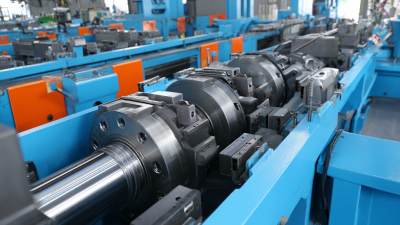
Why Choose a Pipe Welding Machine for Your Tube Mill Production Line?
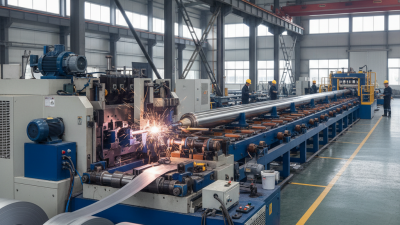
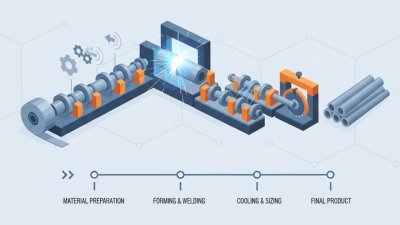
In modern manufacturing, efficiency is paramount. The choice of a Pipe Welding Machine for your Tube Mill Production Line significantly impacts productivity. This machine enhances the accuracy and speed of welds, improving overall product quality. Skilled welds ensure durability, a critical factor in construction and manufacturing.
However, selecting the right welding equipment requires careful consideration. Not all Pipe Welding Machines are the same. Quality and specifications must match the specific requirements of the tube mill. A subpar machine may lead to increased operational costs and downtime. It is essential to evaluate your needs and the machine's capabilities.
Some manufacturers might overlook the importance of choosing high-quality machines. An investment in the right Pipe Welding Machine pays off in the long term. Reliable machines reduce maintenance costs and extend the lifespan of the production line. Ultimately, making informed decisions can lead to enhanced performance and profitability.
Benefits of Pipe Welding Machines in Tube Mill Production
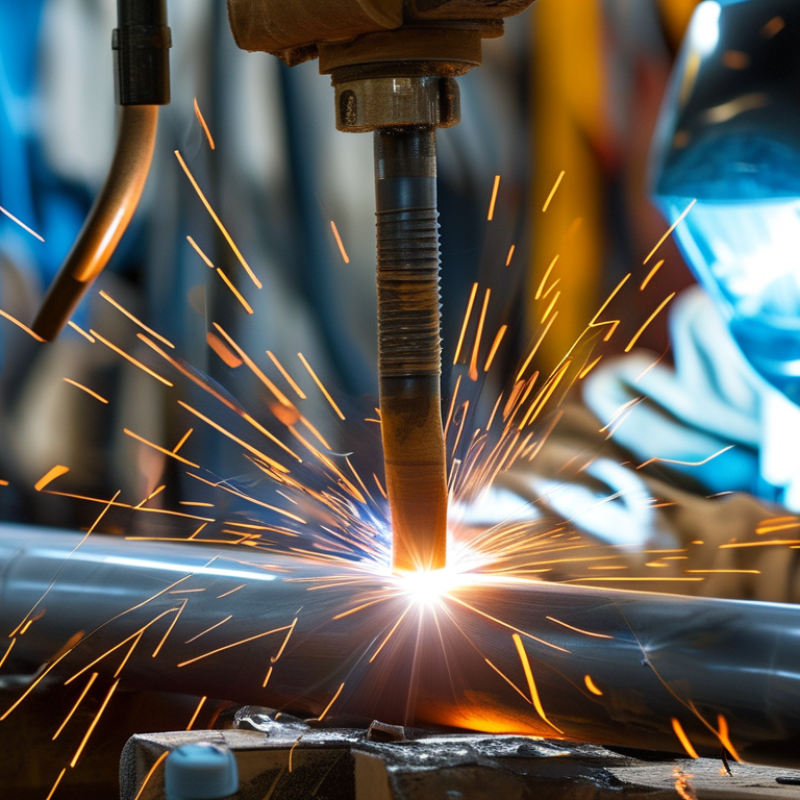
Pipe welding machines play a crucial role in enhancing the efficiency of tube mill production lines. According to industry reports, implementing these machines can increase productivity by up to 25%. This boost is essential for manufacturers aiming to keep pace with rising demand. The automation of welding processes reduces manual labor, thus minimizing human error and improving consistency in weld quality.
Moreover, the adoption of pipe welding machines leads to significant cost savings. A study indicated that companies could reduce their operational costs by 15% when transitioning to automated systems. This efficiency translates directly to the bottom line, allowing firms to allocate resources more effectively. However, transitioning to automation is not without challenges. Companies often face a learning curve, and initial setup costs can be daunting.
In terms of quality, pipe welding technology ensures a superior end product. Automated welding produces strong, uniform joints, which enhance the structural integrity of finished tubes. Yet, the need for ongoing maintenance and operator training can be overlooked. Suppliers may provide initial guidance, but long-term success relies on skilled personnel. Balancing these factors is crucial as the industry continues to evolve.
Key Features to Look for in Pipe Welding Machines
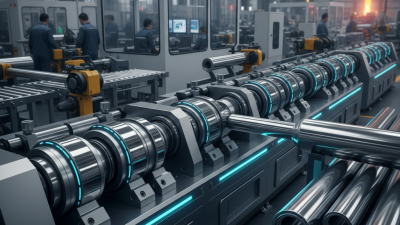
When selecting a pipe welding machine for your tube mill production line, focus on the essential features. A reliable machine should have adjustable welding speeds. This flexibility allows for various pipe sizes and materials. Look for user-friendly controls that simplify the setup process. This can significantly reduce downtime and improve productivity.
Another crucial feature is the quality of the weld. A machine that consistently produces high-quality welds ensures structural integrity. This can prevent costly rework and material wastage. Consider machines that offer advanced technology, like automated monitoring systems. These features can enhance accuracy and efficiency.
Finally, think about the machine's durability. A robust design can withstand the rigors of continuous operation. Maintenance requirements should be low to minimize disruptions. Reflect on these aspects to make a well-informed decision. Choosing the right machine is not just a purchase; it’s an investment in your production capabilities.
Why Choose a Pipe Welding Machine for Your Tube Mill Production Line? - Key Features to Look for in Pipe Welding Machines
| Feature |
Importance |
Specifications |
Benefits |
| Welding Speed |
Increased Production Efficiency |
Up to 10 m/min |
Higher output without compromising quality |
| Type of Welding |
Quality of Weld Joint |
TIG, MIG, or Laser |
Versatility for different materials |
| Automation Level |
Labor Costs Reduction |
Full, Semi, or Manual |
Minimized human error |
| Power Consumption |
Operational Cost Savings |
< 20 kW |
Lower electricity costs |
| Cooling System |
Prevents Overheating |
Water-Cooled / Air-Cooled |
Extended machine life |
Comparative Analysis: Pipe Welding vs. Traditional Welding Methods
When comparing pipe welding to traditional welding methods, several factors stand out. Pipe welding is often more efficient. It uses advanced technology that speeds up the production process. Traditional welding methods can be slower and require more manual intervention. This can lead to increased labor costs and longer lead times.
In terms of quality, pipe welding often offers better precision. With machine control, the consistency of weld quality improves significantly. Traditional methods, while effective, can vary based on the skill of the welder. This inconsistency may result in rework or scrap, increasing material waste.
Another aspect to consider is the training required. Pipe welding machines require operators to have a specific skill set. While this may seem like a drawback, it can lead to a more specialized workforce. Traditional methods might seem easier to learn but often lack depth in expertise. This difference in training can influence a production line's overall efficiency and reliability.
Impact on Production Efficiency and Cost-Effectiveness
In recent years, the demand for pipe welding machines in tube mill production lines has surged, significantly impacting production efficiency and cost-effectiveness. Research indicates that proper integration of these machines can enhance production speeds by up to 30%. This boost in output often translates to lower overall manufacturing costs.
Effective pipe welding reduces material waste, an issue that can drain financial resources. Studies reveal that manufacturers can save upwards of 20% on raw materials by utilizing advanced welding techniques. Additionally, high-quality welds improve product durability and reduce rework, presenting another potential cost-saving avenue.
Yet, not all tube mill operations benefit equally from these machines. Some facilities may struggle with initial investment costs, leading to inner doubts. It's crucial to analyze specific production needs and long-term goals. The decision to adopt a pipe welding machine should be grounded in a thorough understanding of its potential and limitations, ensuring a well-informed choice.
Impact of Pipe Welding Machines on Production Efficiency and Cost-Effectiveness
Future Trends in Pipe Welding Machinery for Tube Mills
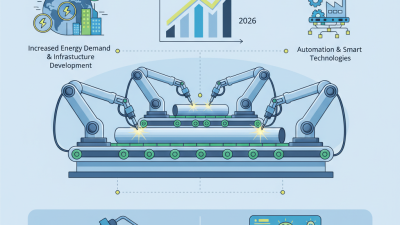
The evolution of pipe welding machinery is closely tied to the demands of modern tube mills. According to a recent market analysis, the global demand for pipe welding machines is expected to grow at a CAGR of 5.2% from 2023 to 2030. This growth is driven by increased automation and the need for precision manufacturing. Tubing applications now require higher production rates and better quality, leading to innovations in welding technology.
One noteworthy trend is the rise of laser welding systems. These systems can improve efficiency and reduce production costs significantly. A study from the International Welding Institute highlighted that laser-welded tubes exhibit superior strength compared to traditional methods. However, transitioning to laser systems can be challenging. Many manufacturers face hurdles in training staff and adapting existing infrastructure. It's essential to weigh these factors against potential gains.
Additionally, sustainability is becoming a priority. The shift towards eco-friendly processes is influencing machine design. Reports indicate that energy-efficient machines can reduce operational costs by 15-20%. Yet, finding the right balance between sustainability and performance can be tricky. As the industry progresses, tube mills must consider these future trends carefully. Their choices will shape the landscape of pipe welding technology for years to come.