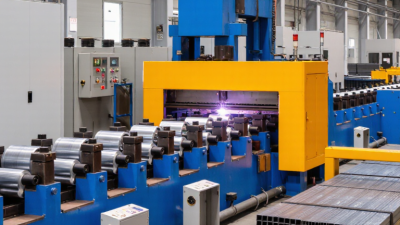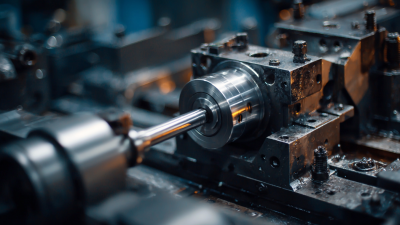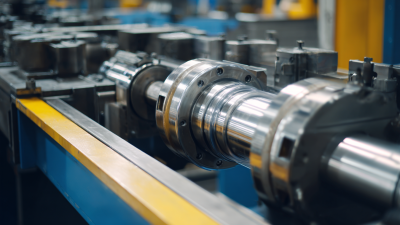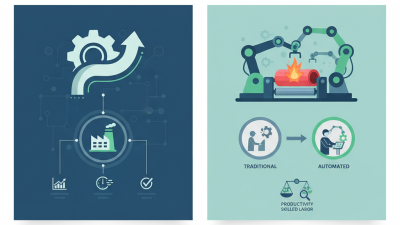
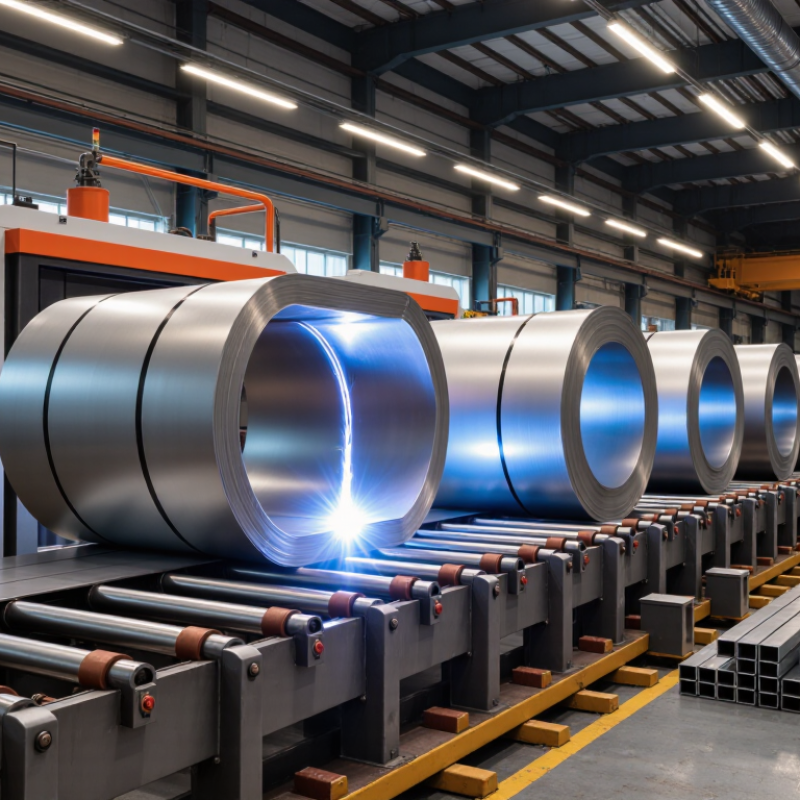
A Square Tube Machine is used to manufacture square and rectangular metal tubing from flat steel or stainless-steel strip. In a typical tube mill, the strip is uncoiled, leveled, and guided through forming rolls. These rolls gradually bend the material into a square profile. The edges are then joined, commonly through high-frequency welding, before sizing and cutting. The process is continuous.
Manufacturers use this equipment for construction frames, warehouse racks, machinery guards, furniture, vehicle components, and agricultural structures. Square tubing offers clean lines, useful strength, and predictable dimensions. For example, a cut section may become a table leg, a building support, or part of a conveyor frame. Different roll sets and tooling allow one production line to handle several tube sizes. That detail matters.
However, the machine does not guarantee perfect products by itself. Material thickness, steel grade, welding settings, roll alignment, and cutting accuracy all affect the final tube. Experienced operators regularly inspect weld seams, surface marks, corner shape, and dimensional tolerance. They also monitor cooling systems, lubrication points, and worn forming rolls. Small alignment errors can create visible twisting or uneven corners.
The most suitable machine depends on production volume, tube dimensions, material type, and required finish. A high-output factory may need automated feeding, online inspection, and precise length control. A smaller workshop may value flexibility over speed. It is easy to overlook maintenance costs. Careful planning, trial production, and documented quality checks make the equipment more reliable and practical. The answer is not entirely simple.
A square tube machine is equipment that forms flat metal strip into hollow, square-shaped tubing. It gradually bends the strip through a series of roller stands. The edges are then joined, often by a welding process, and the tube is sized and cut to length. A typical production line may include a strip feeder, forming rollers, a welding section, sizing rolls, and a cutting unit. The exact layout depends on the material, tube dimensions, and production needs. It is not magic. Roller alignment and steady material feed matter.
These machines produce square tubes used in furniture frames, shelving, construction supports, vehicle components, and equipment structures. A square profile can be easier to stack and connect than round tubing in some designs. Operators usually adjust the tooling when changing tube sizes, then check dimensions and weld quality during production. Small setup errors can cause uneven corners, twisting, or inconsistent lengths. The finished tube still needs inspection before it is used in a load-bearing application.
Tips: Confirm the material thickness and target dimensions before setup. Check sample tubes for square corners and straightness. Keep hands clear of moving rollers; the line can pull material forward quickly. A brief pause for inspection can prevent a long run of imperfect stock.
A square tube machine is used to produce hollow steel sections for construction, furniture, machinery frames, and industrial supports. Its main task is transforming a flat metal strip into a precise square or rectangular tube. The process looks simple, but each stage requires careful control.
The machine usually begins with a coil of steel. A decoiler unwinds the strip at a steady speed. Guide rollers keep the material centered before forming rollers gradually bend it into a rounded shape. The edges then meet along the tube’s length. A welding unit joins them, often using high-frequency electrical energy. After welding, sizing rollers press the tube into its final square profile. This gradual forming method reduces sudden stress and helps maintain consistent dimensions.
A cutting system divides the continuous tube into programmed lengths. Sensors monitor speed, position, and alignment during production. Experienced operators still check weld appearance, corner shape, wall thickness, and surface condition. Small setting errors can create twisted sections or uneven corners. In practice, no setup is perfect. Material hardness, temperature, and roller wear can change the result. That is why test pieces matter. They reveal problems before a long production run wastes material. Regular maintenance also keeps bearings, guides, cutters, and welding components working reliably. Safety guards and controlled operating procedures are essential around moving parts and hot metal.
| Stage or Component | What It Does | How It Works | Typical Result or Use |
|---|---|---|---|
| Steel strip or coil | Provides the raw material for the tube. | A coil of flat steel strip is selected to suit the required tube dimensions, wall thickness, and material specification. | Continuous feedstock for producing square or rectangular hollow sections. |
| Uncoiler and strip preparation | Feeds the strip steadily into the production line. | The uncoiler holds and releases the coil. Depending on the line, equipment such as a leveler and strip-end joining station helps provide a flatter, continuous feed. | A controlled strip supply for the forming and welding stages. |
| Roll forming | Gradually bends the flat strip into a tube shape. | Successive sets of forming rolls bend the strip edges upward and bring them together. Many production lines first form a round tube and then shape it into a square or rectangular section; other configurations may form the profile more directly. | An open-seam tube or intermediate profile ready for welding and sizing. |
| High-frequency resistance welding | Joins the meeting edges of the formed strip. | In a common electric-resistance-welding process, high-frequency current heats the edges, which are then pressed together by squeeze rolls. This process generally joins the edges without adding filler metal. | A continuous welded tube with a longitudinal seam. |
| Weld-bead removal | Removes excess material from the weld seam when required. | A scarfing tool trims the external weld bead; some lines also remove the internal bead, depending on the product specification. | A smoother seam area suitable for the intended finish or application. |
| Squaring and sizing | Sets the final outside profile and dimensions. | Sizing rolls shape the welded tube into a square or rectangular section and help control its width, height, straightness, and corner geometry. | Tube made to the line’s specified profile and dimensional tolerances. |
| Straightening and cut-off | Produces straight lengths that are ready for handling. | Where fitted, straightening equipment corrects alignment. A flying saw or other cut-off system cuts the continuously moving tube to programmed lengths. | Individual square or rectangular tube lengths for inspection, bundling, or further processing. |
| Common applications | Supplies hollow sections for fabrication and construction. | Square and rectangular tubes provide flat faces for joining and a hollow cross-section that can offer useful stiffness relative to material use. The appropriate section depends on the design and loading requirements. | Examples include building frames, machinery supports, furniture frames, racks, gates, and other fabricated structures. |
Note: Production steps and equipment vary by machine configuration, material, tube size, and product specification. Finished tube should be checked against the applicable dimensional and quality requirements.
A square tube machine can process several metals, but its range depends on the cutting head, tooling, power, and tube dimensions. Carbon steel is commonly processed because it offers stable cutting performance and broad structural use. Stainless steel is also suitable, although it reflects more heat and often requires careful speed and gas adjustments.
Aluminum can be processed as well, but its lighter structure demands accurate clamping. Excessive pressure may leave dents on thin walls. Galvanized steel needs special attention because its zinc coating can create fumes and affect the cutting edge. Brass and copper are possible on selected machines, though their reflectivity and heat transfer can make processing less predictable.
Operators should check wall thickness, outer dimensions, alloy grade, and surface coating before production. A machine that handles thick carbon steel may not process thin aluminum safely without different settings. In my experience, even skilled operators sometimes rely too heavily on standard parameters. That can cause rough edges, deformation, or inaccurate corners. Testing one sample tube is usually wiser than starting a full batch. Material moisture, surface rust, and slight dimensional variation can also change the result. These details seem minor, but they often decide whether the finished square tube fits correctly during fabrication.
Square tube machines are used to form, weld, size, and cut hollow metal sections with consistent dimensions. A typical production line begins with steel strip or coil. Rollers gradually shape it into a square profile. A welding station then closes the seam, while sizing rolls correct the corners and outer dimensions.
These machines support construction projects that require strong, lightweight frameworks. Square tubes often become columns, roof supports, guardrails, window frames, and temporary structures. Their flat sides simplify welding and fastening.
In a workshop, operators can cut finished tubes into precise lengths for gates, shelving, worktables, and equipment frames. Clean edges matter here.
Manufacturers also use square tube machines for vehicles, agricultural equipment, storage systems, and industrial enclosures. Automated cutting reduces repeated measuring and material waste. Some lines include punching or drilling units, which prepare holes before assembly. However, machine output still depends on strip quality, tooling alignment, weld control, and operator skill. A small alignment error can produce twisted sections or uneven corners. That problem is easy to underestimate.
Not every project needs a fully automated line. Lower-volume workshops may prefer separate forming, cutting, and finishing equipment. The better choice depends on tube size, wall thickness, production speed, and required tolerance. Real production is rarely perfect. Inspection with calipers, gauges, and visual checks remains necessary before the tubes enter service.
Square tube machines turn flat metal strip into hollow square or rectangular tubing. Construction companies use this tubing for frames, roof supports, railings, and scaffolding components. It offers useful strength without the weight of solid steel. Furniture makers also rely on it for table legs, shelving, and chair frames. Clean corners matter here. So does consistent sizing.
Automotive suppliers use square tubing in vehicle frames, seat supports, and other structural parts. Agricultural equipment makers use it for gates, storage racks, and machinery frames exposed to dust and rough handling. Solar installers may use square sections in support structures. Each industry needs different dimensions, wall thicknesses, and finishes. A machine setup that suits one product may not suit another. Even small size variations can complicate assembly, though this detail is easy to overlook.
Tips: Match machine capacity to your usual tube sizes and material thicknesses. Check cut length and weld consistency during a trial run. Ask operators to record setup settings; memory is unreliable on a busy shift. A brochure may make changeovers sound simple. Real production can be less tidy.