Essential Tips for Optimizing Your Tube Mill Production Line?
In today's competitive manufacturing landscape, optimizing the Tube Mill Production Line is crucial for efficiency and profitability. According to a report by Market Research Future, the global tube mill market is expected to grow at a CAGR of 4.5% from 2021 to 2026. This growth highlights the need for advanced production techniques. Industry expert Dr. John Lee emphasizes, "Streamlining the Tube Mill Production Line can drastically reduce waste and enhance output quality."
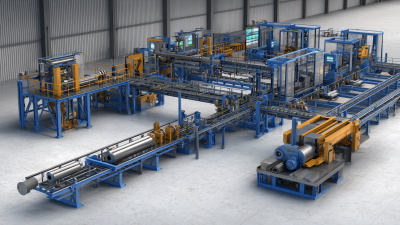
Efficiency often hinges on thoughtful layout design and equipment selection. It’s essential to use state-of-the-art technology to minimize downtime. For instance, incorporating automated systems can lead to a 25% increase in productivity. However, not every organization embraces these innovations effectively. Some still rely on outdated techniques, missing out on significant gains.
Reflecting on common challenges, many manufacturers struggle with inconsistent product quality. The impact of poor production processes can jeopardize customer relationships and bottom lines. Regular assessment of the Tube Mill Production Line can reveal hidden inefficiencies. Ultimately, understanding and implementing best practices is key to thriving in this dynamic market.
Identifying Key Performance Indicators for Tube Mill Production
When optimizing a tube mill production line, identifying key performance indicators (KPIs) is critical. Metrics like yield rate and production efficiency reveal how well the line operates. A high yield rate means fewer defects, while better efficiency translates to increased output. Monitoring these KPIs helps spot areas needing improvement, which is vital for staying competitive.
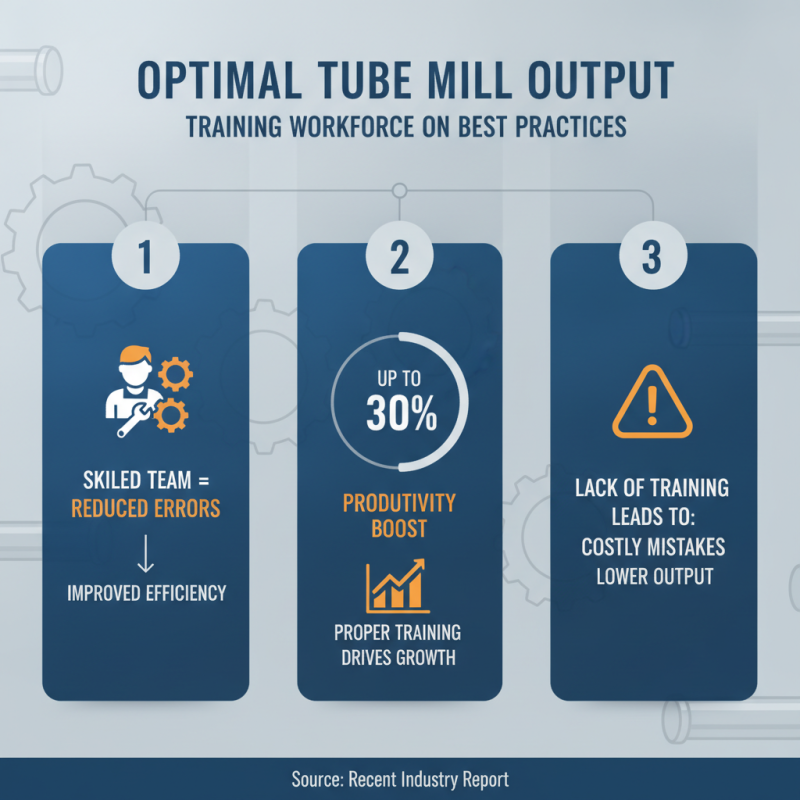
Another important KPI is downtime. This measures the time the mill is not in operation. Unplanned downtime can be costly. Regular maintenance and swift repairs can reduce it. Track the causes of stoppages to address recurring issues. Additionally, employee training is essential, as skilled workers can significantly enhance production quality. Assessing staff performance through KPIs can uncover training needs.
Focusing on product quality is crucial too. Implementing quality control measures during production can lead to better end products. Keep track of scrap rates; a high scrap rate often indicates problems in the production process. Each KPI offers insights into different facets of production. Reflecting on all these metrics enables smarter decision-making and a more efficient tube mill operation.
Essential Tips for Optimizing Your Tube Mill Production Line
| KPI |
Description |
Target Value |
Current Value |
Remarks |
| Production Efficiency |
Ratio of actual output to maximum potential output |
85% |
78% |
Needs improvement |
| Downtime |
Total time the mill is non-operational |
< 5 hours/week |
7 hours/week |
Excess downtime |
| Scrap Rate |
Percentage of material wasted during production |
< 2% |
3.5% |
Review production methods |
| On-Time Delivery |
Percentage of orders delivered on schedule |
95% |
90% |
Minor delays |
| Energy Consumption |
Amount of energy used per unit of production |
< 2 kWh/unit |
2.5 kWh/unit |
Optimize equipment |
Streamlining Material Handling in Tube Mill Operations
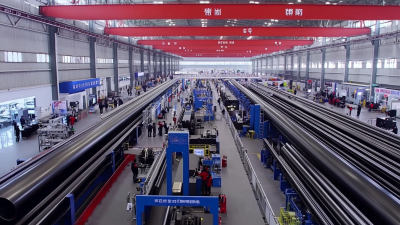
Efficient material handling in tube mill operations can significantly enhance productivity. Streamlined processes minimize delays and ensure consistent output. One crucial aspect is optimizing the layout of the production area. A well-organized space reduces the distance between key stations and equipment. This arrangement allows for smoother transitions and less downtime.
Implementing automated material handling systems can also boost efficiency. Conveyors or robotic loaders can transport materials with precision and speed. They minimize the risk of human error and reduce labor costs. However, relying too much on automation can lead to overlooked maintenance needs. Regular checks are necessary to keep systems running optimally.
Another tip is to focus on employee training. Workers should understand the importance of efficient material handling. Proper training can lead to better techniques and fewer accidents. It’s important to encourage feedback from employees on handling processes. Their insights may reveal hidden inefficiencies in the workflow. Continuous improvement is key to maintaining an effective tube mill operation.
Implementing Preventive Maintenance Practices for Equipment Longevity
Preventive maintenance is crucial for the longevity of your tube mill production line. Regular checks can significantly reduce unexpected downtimes. Keep a log of all maintenance activities. This will help in identifying patterns and predicting future needs.
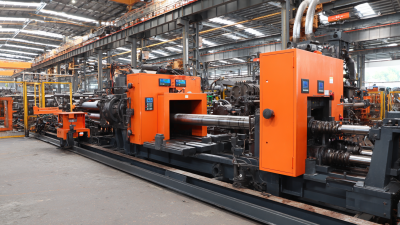
Tips for effective maintenance include scheduling routine inspections and cleaning routines. Inspect critical components like bearings and alignment regularly. Ensure lubricants are applied in correct quantities. Over-lubrication can sometimes cause more harm than good.
Training operators on basic maintenance can also be beneficial. They should be aware of the common signs of wear. Encourage them to report any unusual sounds or vibrations. A keen observation can prevent minor issues from escalating. Implementing these practices can build a robust foundation for your mill's operational efficiency.
Enhancing Workflow Efficiency Through Lean Manufacturing Techniques
Enhancing workflow efficiency in a tube mill production line involves implementing lean manufacturing techniques. By minimizing waste, businesses can significantly reduce costs and improve productivity. Observing production processes closely often reveals areas for improvement.
One effective tip is to streamline operations by balancing workflows. Analyze each workstation to ensure workloads are evenly distributed. Uneven workloads can lead to bottlenecks, slowing down overall production. Another approach is to embrace continuous improvement. Regularly gather feedback from operators on the floor. Their insights are invaluable and can lead to creative solutions that might otherwise go unnoticed.
Implementing a visual management system is also beneficial. Use colored tags or markers to indicate status and progress. This clarity promotes communication among team members. However, it’s important to remember that not every lean strategy will fit every situation. Regularly assess and tweak your approaches based on real-time feedback. Experimentation is key to finding what truly enhances your specific workflow.