What is a Tube Mill Making Machine and How Does It Work?
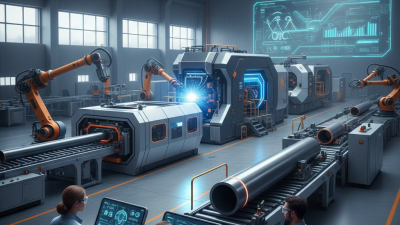
The Tube Mill Making Machine is an essential equipment in manufacturing. It operates by forming metal sheets into tubes through rolling and welding processes. Understanding its design and functionality can illuminate its critical role in the industry.
This machine employs a series of rollers. These rollers ensure precise shaping of the metal. The welded tubes are then cut to desired lengths for various applications. Quality control measures are vital along this production line. Minor errors can lead to significant issues, affecting the final product quality.
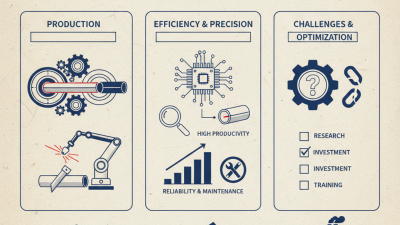
Many professionals in the field emphasize the importance of maintenance. Regular service ensures efficiency and longevity. However, some users overlook this aspect, leading to unexpected breakdowns. It’s a reminder that consistency in operation speaks volumes about reliability. Ultimately, the Tube Mill Making Machine showcases the fusion of technology and craftsmanship in modern manufacturing.
What is a Tube Mill Making Machine?
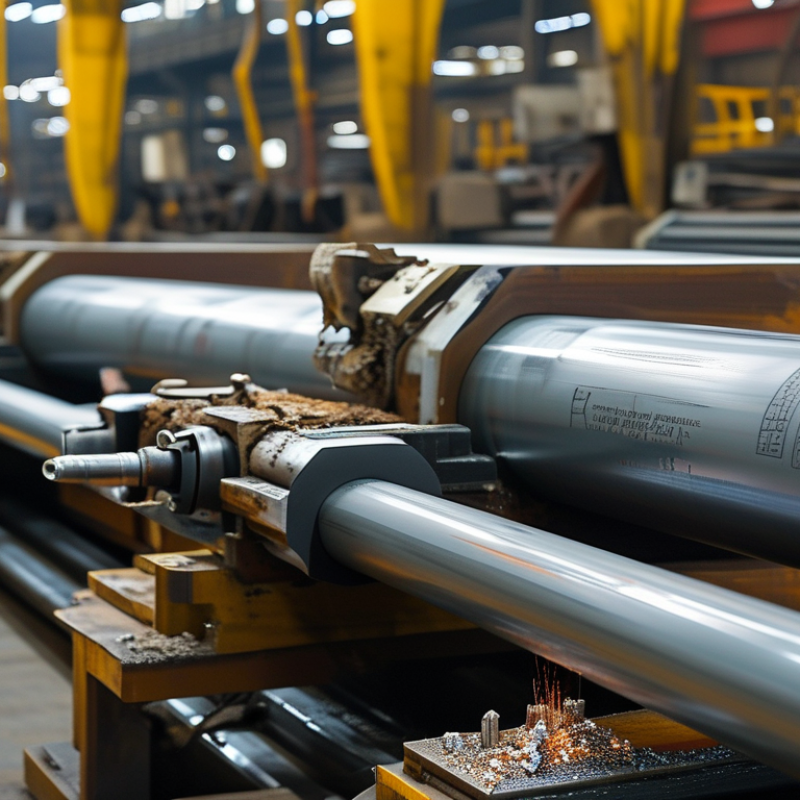
A Tube Mill Making Machine is pivotal in manufacturing. It shapes metal strips into tube forms. This machine operates by welding edges together. The process includes several key steps: forming, welding, and finishing. Each phase is crucial for ensuring product quality.
In the forming stage, strips are fed into the machine. Roller dies shape the strip into a cylindrical form. Once formed, the edges align perfectly for welding. This is where precise machinery matters. If there’s even a slight misalignment, it can lead to defects.
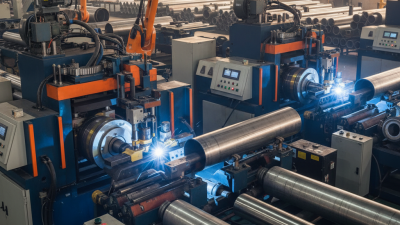
Welding is typically done using high-frequency technology. This method joins the edges securely. After welding, the tube undergoes cooling and straightening. While most machines operate efficiently, some may struggle with smaller or irregular strips. This can lead to inconsistencies in production. Observations from various manufacturers emphasize the need for regular maintenance. Keeping machines in top condition is essential for sustainable output.
Key Components of a Tube Mill Making Machine
A tube mill making machine is essential for producing welded tubes and pipes. Understanding its key components can enhance its efficiency and functionality. The main parts include the forming section, welding equipment, and sizing section. Each element plays a crucial role in achieving the desired tube quality.
The forming section shapes flat metal strips into cylindrical forms. It uses rollers to bend the strips gradually. Next, the welding equipment joins the edges of the strip using high-frequency welding or laser technology. This process is vital for ensuring strong seams. The sizing section adjusts the tube to its final dimensions, ensuring uniformity.
Tips: Regular maintenance of these components is crucial. Check for wear and tear often. Replace worn rollers or defective welding equipment promptly. Regular inspections can prevent major breakdowns. Investing time in routine checks enhances production efficiency and ensures quality output. Always document the maintenance schedule to identify patterns over time. This approach helps improve machine reliability.
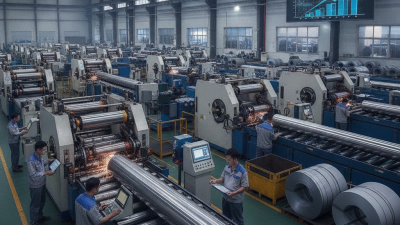
The entire process requires precision. Operators must be vigilant and knowledgeable. Understanding the machine’s behavior helps in troubleshooting. Gaps in skills can lead to production issues. Training your team well is worth the time invested. Remember, even small mistakes can have significant impacts.
Production Capacity of Tube Mill Making Machines
This chart illustrates the production capacity of tube mill making machines over four quarters. The data shows an increase in production, reflecting the machine's efficiency and capability in manufacturing high-quality tubes.
The Working Principle of Tube Mill Operations
A tube mill making machine is essential in manufacturing tubular products. Its design focuses on efficiency and precision. Many industries rely on these machines for their quality output. According to a recent report by Grand View Research, the tube mill market is expected to grow significantly in the coming years, with a projected CAGR of 4.5%.
The working principle of tube mill operations involves several key components. The raw material, often in coil form, feeds into the machine. Rollers shape the material into a tube. These rollers apply specific pressure and alignment to ensure consistency. As the tube progresses, welding mechanisms join the edges together. This process requires precise alignment and control to maintain the integrity of the tube.
However, challenges remain. Some operators report inconsistencies in the weld seam. These can arise from improper roller adjustments or variations in material thickness. Industry experts stress the importance of regular maintenance and calibration. Ensuring the machinery is well-tuned leads to better quality control and can significantly reduce waste. Monitoring these factors can lead to improved operational efficiency in tube production.
Applications and Industries Utilizing Tube Mills
Tube mills play a crucial role in various industries. They are essential for producing tubes and pipes used in construction, automotive, and manufacturing sectors. These machines can create different shapes, including round, square, and rectangular tubes. Their versatility allows them to cater to diverse applications.
In the construction industry, tube mills supply structural steel tubes for frameworks. In automotive manufacturing, they produce exhaust pipes and chassis components. The energy sector also benefits from tube mills, as they create pipes for oil and gas transportation. Each industry relies on the precision and efficiency of tube mills to ensure safety and performance.
Tips: Regular maintenance is vital. Keep an eye on wear and tear. Ensuring the right settings can improve product quality. Always consider the material type when setting your machine.
When using tube mills, operators must monitor speed and feed rate. Improper adjustments can lead to defects and waste. Understanding the nuances of each application helps achieve optimal results. Training and experience in handling tube mills are essential for ensuring high-quality production.
Advantages of Using Tube Mill Making Machines
Tube mill making machines offer various advantages, making them essential in the manufacturing sector. These machines create steel pipes and tubes efficiently. One key benefit is their high production speed. They streamline the process, significantly reducing manufacturing time. This efficiency impacts the overall cost, allowing businesses to save money.
Another advantage is versatility. Tube mills can produce different sizes and shapes. This flexibility meets diverse customer demands. It also allows for quick adjustments between different production runs. Furthermore, the quality of output is often superior. Consistency in diameter and thickness can lead to reduced wastage.
However, it's worth noting that operating these machines requires skilled personnel. Proper training is essential for maintaining quality and safety. Also, regular maintenance is crucial to prevent downtime. Companies must be aware of the investment needed for upkeep. Overall, tube mills can enhance productivity, but they also pose challenges that require attention.