Essential Tips for Choosing Pipe Making Machine Tube Mill?
Choosing the right Pipe Making Machine Tube Mill is crucial for businesses in the metalworking industry. According to a report by MarketsandMarkets, the tube mill market is projected to reach $5.8 billion by 2025. This reflects a growing demand for efficient and reliable machinery. Industry expert Dr. James Halton states, “Selecting the right equipment can significantly enhance production efficiency while minimizing waste.”
When investing in a Pipe Making Machine Tube Mill, factors such as technology, scalability, and durability must be considered. Many companies overlook the technical specifications, which can lead to costly mistakes. For instance, different materials require distinct setups. The right mill will adapt to these needs seamlessly. Moreover, it's essential to evaluate after-sales support and maintenance services. Without reliable support, even the best machinery can falter.
Ultimately, the choice of a Pipe Making Machine Tube Mill can define a company’s future. Making an informed decision could mean the difference between profit and loss. The stakes are high, and the right equipment can streamline production and elevate product quality. Therefore, investing time in research and expert consultation is vital.
Understanding the Basics of Pipe Making Machines and Tube Mills
When selecting a pipe making machine, it's crucial to grasp the fundamentals of pipe making machines and tube mills.
These machines serve essential purposes in various industries, especially in construction and manufacturing.
The growth of the global steel pipe market indicates a rising demand for efficient and reliable tube mills.
According to a recent report, the market is projected to reach $15 billion by 2025, driven by infrastructure development and energy sector needs.
Understanding operational mechanisms is vital.
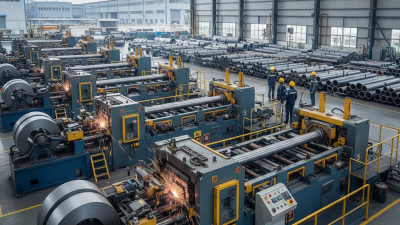
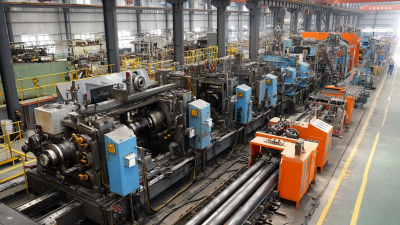
Pipe making machines generally include processes like forming, welding, and cutting.
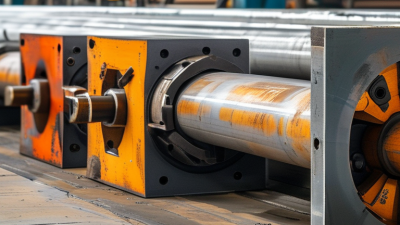
The configuration of rollers and dies influences the quality of the final product.
For instance, a well-calibrated forming station reduces defects in the seams.
Statistical data show that even minor adjustments can enhance efficiency by 10-15%.
However, complications can arise from material inconsistencies or machine wear over time.
It’s also essential to consider the machine’s maintenance needs.
Regular service prevents unexpected breakdowns.
Many manufacturers underestimate the cost of repairs.
A study revealed that maintenance can account for up to 20% of the overall operational budget.
Lack of proper maintenance can lead to inefficient production cycles and increased waste.
Therefore, making informed decisions based on a thorough understanding of machine capabilities and limitations is essential.
Key Factors to Consider When Choosing a Pipe Making Machine
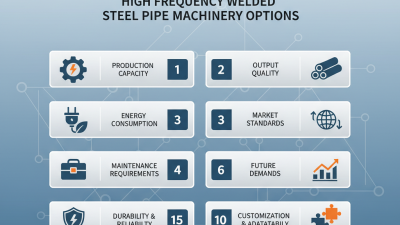
Choosing a pipe making machine, or tube mill, involves several critical considerations. One key factor is the material compatibility. Pipe mills vary in their ability to work with different steels and alloys. According to a recent industry report, about 40% of production inefficiencies stem from inappropriate material use. It's essential to choose a machine that aligns with your project requirements.
Another important aspect is the machine's capacity and speed. In the manufacturing sector, efficiency is paramount. A tube mill with higher speed capabilities can significantly reduce production time. Data suggests that increasing the machine speed by just 10% can enhance output by approximately 15%. This boost can be crucial for meeting tight deadlines.
Tips: Evaluate the machine's energy consumption. A mill must be energy-efficient to reduce operational costs. Look for features that promote sustainability without compromising performance. Consider the long-term maintenance needs too. Machines that require frequent repairs can disrupt production cycles and increase expenses.
Lastly, assess the manufacturer’s support and service. Reliable customer service can make a difference, especially when encountering issues. Having access to technical assistance can influence not just production flow but also the durability of your investment. Each of these factors plays a vital role in the overall effectiveness of your pipe making operations.
Different Types of Tube Mills and Their Applications
When choosing a pipe making machine, it’s crucial to understand the different types of tube mills. Understanding their specific applications can greatly enhance the efficiency and quality of your production process.
There are several types of tube mills, each designed for different materials and purposes. High-frequency tube mills, for instance, are perfect for producing thin-walled tubes. They are often used in HVAC systems and automotive applications. In contrast, cold-forming tube mills offer versatility for a variety of metal types. Their ability to produce specific shapes is valuable for industries such as construction and furniture.
Seamless pipe mills are another noteworthy option. They are essential for industries that require high pressure and strength. However, the cost and maintenance of seamless mills can be challenging. Producing welded pipes might seem simpler, yet achieving a quality weld is not easy. It is essential to ensure proper equipment and skilled operators are in place to avoid defects. Each type has its strengths and weaknesses, which should be carefully weighed based on the intended application.
Assessing Production Capacity and Efficiency in Pipe Machines
When selecting a pipe making machine or tube mill, assessing production capacity and efficiency is crucial.
According to a recent industry report, a high-quality tube mill can achieve production rates between
50 to 150 meters per minute. This variable can significantly influence overall output
and costs. Understanding the specific requirements of your facility can help ensure the chosen
machine aligns with desired performance metrics.
Efficiency should not only encompass speed but also the machine's ability to maintain consistent
quality. Data indicates that the right equipment can reduce scrap rates by up to 20%.
However, factors like material type, thickness, and machine settings need careful consideration.
An effective mill can accommodate diverse materials, enhancing flexibility in production.
It's essential to note that focusing solely on numbers can sometimes lead to overlooked aspects.
For example, operator skill and maintenance practices are equally important. Regular training and a
structured maintenance schedule will ensure machines perform optimally.
Manufacturers must remain vigilant in addressing these factors to avoid costly downtime and inefficiencies.
Importance of After-Sales Support and Maintenance in Equipment Selection
Choosing a pipe making machine, particularly a tube mill, involves meticulous consideration. One critical factor often overlooked is after-sales support. Selecting equipment without robust support can lead to issues. Maintenance is essential for any machinery, especially in high-output environments.
Imagine a scenario where your tube mill experiences downtime. Without adequate after-sales guidance, troubleshooting becomes a challenge. This can result in prolonged halts and financial losses. Reliable manufacturers offer comprehensive support plans, including training, spare parts, and technical assistance. These elements enhance the longevity and productivity of your equipment.
Effective maintenance practices should include regular check-ups and prompt repairs. Inadequate upkeep can lead to performance issues over time. Seek equipment that comes with a proven track record of dependable after-sales support. This ensures you have a partner for addressing potential challenges. Balancing initial cost with long-term support features will pay off. A thoughtful approach to equipment selection can lead you to lasting success.
Essential Tips for Choosing Pipe Making Machine Tube Mill
| Feature |
Importance |
Recommended Action |
| Machine Efficiency |
Higher productivity and lower operational costs |
Evaluate production capacity and compare with requirements |
| Material Quality |
Durability and performance in production |
Request specifications and test samples |
| Technical Support |
Critical for troubleshooting and maintenance |
Verify availability and responsiveness of support services |
| After-Sales Service |
Essential for sustained equipment performance |
Check warranty terms and service agreements |
| User-Friendliness |
Reduces training time and operational errors |
Consider ease of use and operator training resources |
| Cost of Ownership |
Long-term financial viability |
Calculate total costs including installation and maintenance |