2026 How to Choose a High Frequency Pipe Welding Machine?
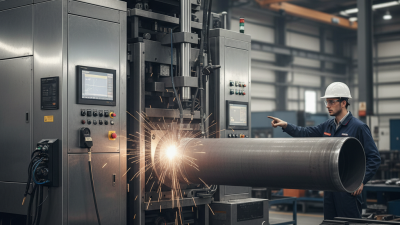
In the ever-evolving industry of pipe welding, selecting the right equipment is crucial. As noted by welding expert John Smith, "The right High Frequency Pipe Welding Machine can significantly enhance efficiency and precision." This statement emphasizes the importance of making informed choices regarding welding machinery.
When choosing a High Frequency Pipe Welding Machine, several factors must be considered. Specifications such as power output and compatibility with materials can dictate the machine's effectiveness. Many users overlook the significance of proper training and maintenance. Without adequate training, even the best equipment can underperform.
Additionally, it is essential to evaluate the reliability of suppliers. Not all manufacturers provide the same level of support and quality assurance. Potential buyers should research thoroughly, as a hasty decision may lead to regrets later. Investing time in this selection process can yield long-term benefits. Ultimately, finding the right High Frequency Pipe Welding Machine can transform your welding operations.
Understanding High Frequency Welding Technology and Its Applications
High Frequency Welding Technology has transformed various industries by offering efficient and precise joining methods. This technology is primarily used in metal fabrication, plastic welding, and textile sealing. According to a report by MarketsandMarkets, the high frequency welding market is projected to reach USD 2.5 billion by 2025, growing at a compound annual growth rate (CAGR) of 6.9% from 2020. This highlights the increasing adoption of this technology across different sectors.
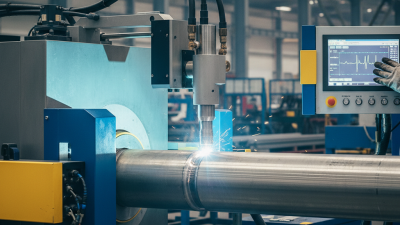
The process relies on generating high-frequency electromagnetic waves, which produce heat through molecular friction. This results in strong welds without the need for additional materials. Applications range from the automobile industry to the production of consumer goods. For instance, high frequency welding is crucial in manufacturing durable plastic parts for vehicles. This technology not only enhances product quality but also improves production efficiency.
When selecting a high frequency pipe welding machine, consider the material type and thickness. Different materials may require specific frequency settings for optimal results. Pay attention to machine specifications and user reviews for insights. Evaluating these factors can lead to better decision-making. Ensure that the machine you select meets industry standards and has a reliable after-sales support system.
Key Factors to Consider When Selecting a High Frequency Pipe Welding Machine
When selecting a high frequency pipe welding machine, several key factors must be considered. The machine's frequency rating is crucial. It impacts the welding speed and quality. Higher frequencies can achieve better results but may require more specialized equipment. Understanding specific project requirements helps in making appropriate choices.
Another important factor is the thickness of the materials being welded. Different machines are designed for various thicknesses. Some are effective for thin-walled pipes, while others suit thicker materials. Evaluating the types of materials used is essential to ensure proper compatibility.
Additionally, operator skill level should be considered. Advanced machines often have a learning curve. They can deliver superior results but may lead to frustration if the operator is inexperienced. It's important to weigh the benefits against the skill set of your team. Reflecting on past experiences can guide you in making the right decision. Finding the right balance between machine capability and operator expertise is key to successful pipe welding.
Evaluating Machine Specifications: Frequency Range and Power Output Requirements
When choosing a high-frequency pipe welding machine, evaluating machine specifications is crucial. Frequency range and power output are two primary factors to consider. Many industry reports suggest that machines with a frequency range of 30 kHz to 100 kHz often yield better weld quality. Such frequency levels provide more precise energy control. This results in cleaner welds and reduces the likelihood of defects.
Power output is equally significant. According to data from the Industrial Welding Society, machines with at least 5 kW of power are essential for heavy-duty applications. Insufficient power can lead to weak welds and increased downtime during repairs. Most experts agree that a higher power output improves process efficiency. However, choosing an overly powerful machine can be counterproductive and may lead to increased operational costs.
Another factor often overlooked is cooling time. A machine with a high frequency and power output may require better cooling systems to avoid overheating. Ensuring proper cooling can prolong the machine's life, yet it adds complexity and costs. It's essential to weigh these factors carefully for optimal performance and reliability.
Comparing Different Brands and Models: Industry Standards and Performance Data
Choosing a high frequency pipe welding machine requires careful evaluation of various brands and models. Different manufacturers release machines that excel in specific areas. Performance data from the International Welding Institute shows variations in efficiency. Some machines achieve up to 90% efficiency, while others may only reach 75%. This difference can greatly impact productivity.
Industry standards also play a critical role. The American Welding Society provides guidelines on the expected lifespans of equipment. High-quality machines typically last over 10 years with regular maintenance. Yet, budget models might only last 5 years, leading to increased replacement costs. It’s essential to balance initial investment against long-term operational costs.
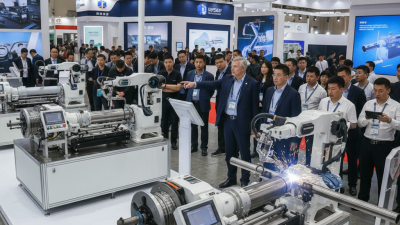
Data from recent market research indicates that users often overlook customer support. A brand's reliability in providing maintenance services can influence long-term satisfaction. Users report frustration when support is inadequate. Spending time to research user reviews can prevent costly mistakes. Understanding these nuances can enhance decision-making in selecting a welding machine.
Maintenance and Support: Ensuring Longevity for Your Welding Equipment
When it comes to high-frequency pipe welding machines, maintenance and support play crucial roles in ensuring longevity. The American Welding Society reports that nearly 40% of equipment failures are due to inadequate maintenance. Regular inspections and timely servicing can prevent costly breakdowns and improve operational efficiency.
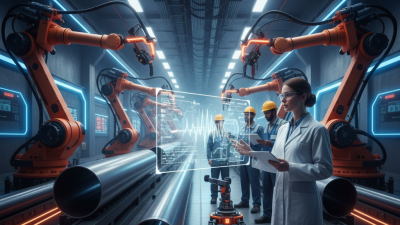
Implementing a structured maintenance program is essential. This should include routine checks on the electrical components, cooling systems, and welding parameters. Failure to address minor issues can lead to major complications. For example, a worn-out electrode can cause inconsistent weld quality, forcing manufacturers to invest time and resources into rework. Data from industry standards suggest that proper upkeep can extend the machine's lifespan by up to 30%.
Investing in training and support will further enhance equipment longevity. Operators familiar with troubleshooting can quickly address issues before they escalate. However, many businesses overlook ongoing education for their staff, risking costly downtime. Encouraging a culture of safety and proper equipment handling not only protects investments but also fosters a more skilled workforce.