Top Tips for Choosing a High Frequency Pipe Welding Machine?
Choosing the right High Frequency Pipe Welding Machine can significantly impact your project's success. Industry expert James Miller, known for his insights into welding technology, once stated, "The right equipment elevates the quality of your work." With various options available, it’s essential to consider several factors.
When selecting a High Frequency Pipe Welding Machine, evaluate its features. Focus on welding speed, power capacity, and material compatibility. An efficient machine enhances productivity. However, it’s crucial to remember that advanced features may not always guarantee better results. Reliability should be prioritized.
Budget constraints may tempt you to opt for cheaper models. Nonetheless, weighing cost against performance ensures long-term value. Seek machines from reputable manufacturers. Investigating their track record can provide insights into durability and service. Ultimately, thorough research and consideration will lead you to the best High Frequency Pipe Welding Machine for your needs.
Understanding High Frequency Pipe Welding Machines
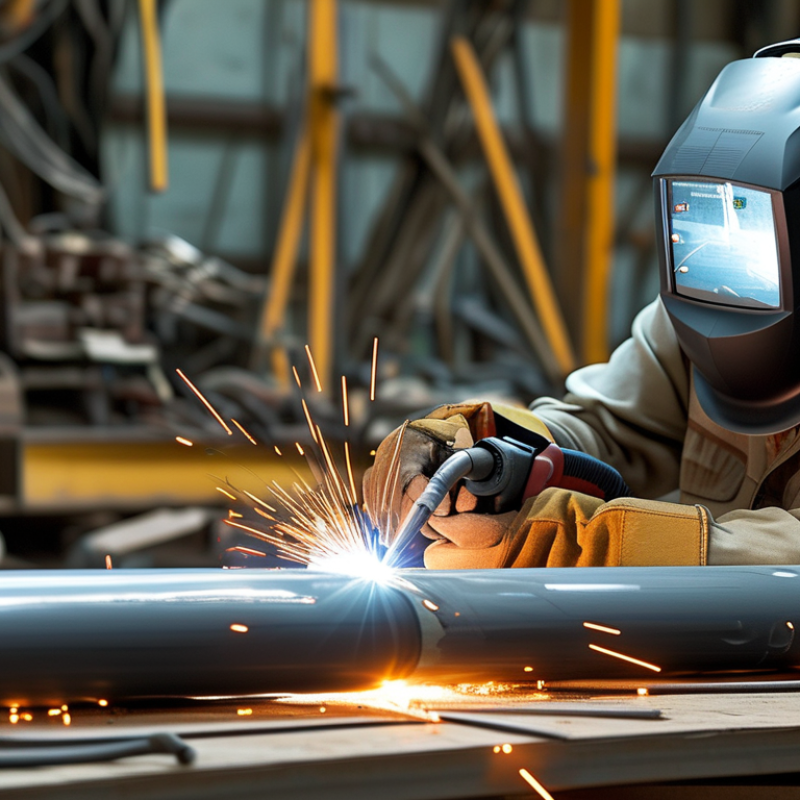
Understanding High Frequency Pipe Welding Machines requires a grasp of their functionality and application. These machines utilize high frequency currents for efficient welding, creating strong, clean seams. The choice of a suitable machine is crucial for ensuring optimal performance in pipe welding projects.
When selecting a high frequency pipe welding machine, consider the power output. It directly affects the welding speed and capability. Different projects demand various power levels. Assess your specific needs carefully. A machine that does not meet these needs may lead to delays and increased costs.
Another point to remember is the machine's portability. If your work requires moving between job sites, a lightweight machine is preferable. It shouldn't sacrifice durability for portability. Look for designs that offer ease of transportation without compromising performance. Pay attention to customer reviews to understand the experiences of others. This can provide a realistic view of what to expect from different models.
Key Features to Look for in Pipe Welding Machines
When selecting a high frequency pipe welding machine, the key features significantly impact performance and efficiency. High duty cycle is essential; machines with over 60% duty cycle can enhance productivity. This allows for extended welding periods without overheating, crucial for industrial applications. Moreover, machines should feature adjustable frequency settings. A frequency range of 50 kHz to 400 kHz is ideal, accommodating various pipe thicknesses and materials.
Durability and portability are also vital considerations. A machine made from high-strength materials will withstand rigorous use. Weight matters too; a machine under 100 kg can be more manageable on job sites. Another feature to consider is the cooling system; effective cooling prolongs equipment life. About 45% of welding equipment failures stem from overheating, according to the American Welding Society.
User-friendly controls contribute to better accuracy and efficiency. Operators should easily navigate settings without extensive training. Data from industry reports show that intuitive interfaces can reduce training time by up to 30%. Furthermore, ensure the machine complies with safety standards, protecting operators from hazards. Ultimately, a thorough assessment of these features can lead to more informed purchasing decisions.
Top Tips for Choosing a High Frequency Pipe Welding Machine
Assessing the Power Requirements for Your Welding Needs
When selecting a high-frequency pipe welding machine, understanding the power requirements is crucial. The type and thickness of the materials you’ll work with play significant roles in this decision. Is the project large or small? Knowing the scope helps estimate energy needs. A machine with inadequate power can lead to weak welds, causing potential failures.
Assess your typical welding tasks. If you are mainly working on thin-walled pipes, you might not need as much power compared to heavy-duty applications. Take note of the voltage and current ratings. They should match your power supply. An insufficient supply leads to inefficiencies, and this can frustrate your workflow.
Always consider portability and ease of use. A powerful machine might be heavy and cumbersome. Balancing power and convenience can impact your efficiency. For beginners, starting with less intensive projects allows room for learning. Choosing a machine that accommodates future upgrades can also be beneficial. The right equipment empowers you to explore advanced techniques and expand your capabilities.
Top Tips for Choosing a High Frequency Pipe Welding Machine
| Power Requirement (kW) |
Suitable Pipe Diameter (mm) |
Welding Thickness (mm) |
Duty Cycle (%) |
Cooling System |
| 5 |
20-50 |
1-3 |
60 |
Air Cooling |
| 10 |
50-80 |
2-5 |
70 |
Water Cooling |
| 15 |
80-100 |
3-8 |
80 |
Oil Cooling |
| 20 |
100-150 |
5-10 |
85 |
Water Cooling |
Evaluating the Portability and Size of Welding Equipment
When considering the portability and size of high-frequency pipe welding machines, several factors come into play. The weight of the machine should align with your intended use. If you frequently move your equipment between job sites, a lightweight model is ideal. Heavy machines, while durable, can quickly become cumbersome. Opt for welded frames with robust wheels for ease of transport.
Size is equally crucial. A compact machine saves space and is easier to store. Evaluate your workspace before purchasing. Understand where you will set up the machine. Ensure there is enough room not just for the machine, but also for ventilation and safe operation.
Reflecting on past experiences can guide your decision. Some users regret choosing larger machines after struggling to transport them. Lightweight options may seem less powerful, but advancements in technology often provide the necessary strength in a compact design. Each project has unique requirements, so weigh them carefully against the machine's portability. Balancing these dimensions will lead to better results in your welding tasks.
Comparing Cost and Value in Welding Machine Options
When selecting a high-frequency pipe welding machine, understanding the cost versus value is crucial. The welding equipment market is projected to reach $23.9 billion by 2025, according to industry reports. While cheaper machines may be attractive, they often come with hidden costs. Maintenance, downtime, and the quality of welds can significantly affect overall project expenses.
Investing in a more reliable machine often results in lower operational costs. Research shows that high-quality machines can save up to 20% in consumables over their lifespan. This highlights the importance of considering not only the initial price but also the total cost of ownership. Quality components lead to fewer breakdowns, enhancing productivity.
However, some companies may overlook the benefits of features like energy efficiency and automation. These advancements can drive cost savings, but they might appear more expensive upfront. Balancing initial investment with long-term operational savings requires careful evaluation. You may find that a mid-range machine ultimately offers better value than the lowest-cost option available.