How to Choose the Right High Frequency Pipe Welding Machine for Your Needs?
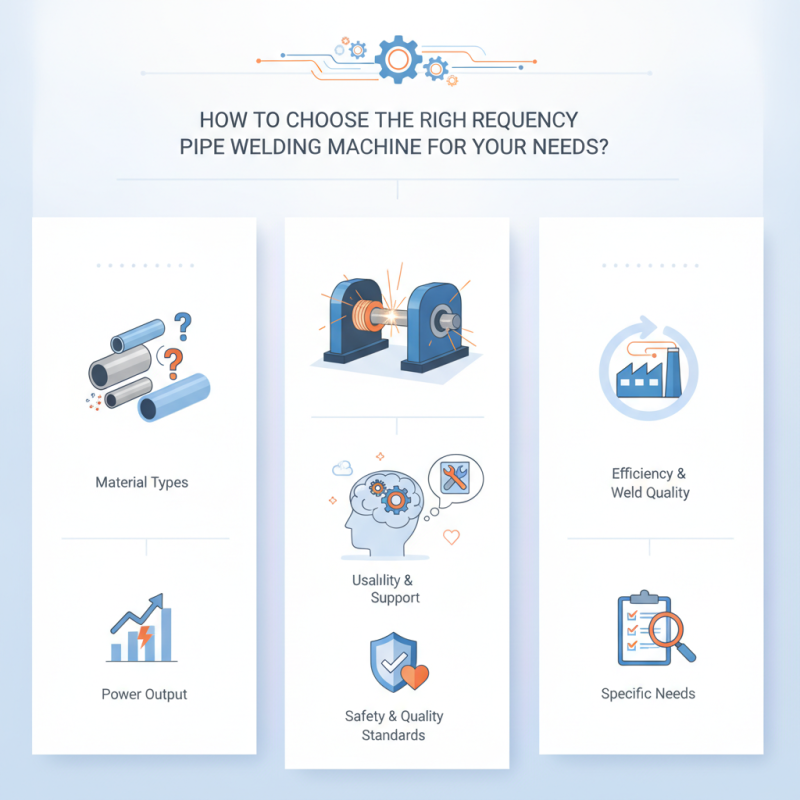
Choosing the right High Frequency Pipe Welding Machine is crucial for any manufacturing business. The right choice can enhance efficiency and improve weld quality. Many factors influence this decision, from machine specifications to user experience. Understanding these factors is essential for successful operations.
When evaluating options, consider the material types you will work with. Different machines cater to various materials. It is also important to assess the machine's power output. Higher power can increase welding speed but may require more skill to operate effectively.
Additionally, think about the machine's usability and support. A machine that is hard to operate can slow down production. User training and manufacturer support can make a difference. Ultimately, selecting a High Frequency Pipe Welding Machine is not just about features. It’s about finding a reliable machine that meets your specific needs while ensuring safety and quality standards.
Factors to Consider When Selecting a High Frequency Pipe Welding Machine
Choosing the right high frequency pipe welding machine is crucial for your specific needs. One key factor to consider is the type of material you will be working with. Different materials may require different frequencies for optimal welding. For instance, stainless steel and carbon steel each behave differently under high frequency. Understanding these differences can help you avoid common pitfalls that lead to poor weld quality or material damage.
Another important aspect is the machine's power output. Machines with higher power outputs can weld thicker pipes more efficiently. However, if your projects typically involve thinner materials, a machine with excessive power can be overkill. This mismatch can result in wasted energy and costs. Make sure to assess your typical workload and choose a machine that matches your requirements.
Consider the ease of use and maintenance of the welding machine. Some machines may have complex interfaces, leading to user errors. A more intuitive design can save you time and frustration. Regular maintenance is necessary to ensure longevity. If the machine is difficult to service, you might end up with unplanned downtime. Reflect on your team's skill level when selecting a machine, and choose one that aligns with it.
Types of High Frequency Welding Machines and Their Applications
High frequency welding machines come in various types, each designed for specific applications. Understanding these types can help you select the right one for your needs. One common type is the high frequency induction welder. This machine is ideal for piping applications due to its efficiency and speed. It uses electromagnetic fields to heat metal, resulting in strong welds. If you need to weld thin materials or tubes, this might be your best option.
Another popular type is the capacitance welding machine. These machines are often used in the production of textile and plastic welding. They offer precision and control, making them suitable for intricate designs. However, their setup can sometimes be complex. Users may face challenges when calibrating settings for optimal performance. It requires experience and a good understanding of machine operation.
Resistance welding machines are also noteworthy. They are frequently used in automobile assembly lines. This type of machine can handle high volumes but may not always be suitable for specialized tasks. Operators often need to weigh the pros and cons based on project demands and material types. Making the right choice requires careful consideration of each machine's capabilities and limitations.
Key Technical Specifications for High Frequency Pipe Welding Machines
Choosing the right high frequency pipe welding machine involves careful consideration of technical specifications. Key factors include power output, frequency range, and cooling systems. These elements impact the machine's efficiency and performance. For instance, machines with a power output of 20 kW to 100 kW are common in various applications. The frequency range typically varies between 100 kHz to 300 kHz, which is crucial for joining different materials effectively.
Another essential specification is the cooling method. High-frequency pipe welding generates significant heat. Efficient cooling systems help maintain the machine's performance and extend its lifespan. Some machines utilize water cooling, while others may rely on air cooling. Each method has its pros and cons. For instance, water cooling usually allows for prolonged use, yet it may require more maintenance.
Understanding these specifications is vital for making an informed choice. Industry reports show that over 30% of manufacturers underutilize their welding machines due to a lack of awareness regarding their capabilities. Potential buyers should analyze their specific needs thoroughly. Balancing power, frequency, and cooling options is necessary. Reflect on how each feature aligns with your projects before making a decision.
High Frequency Pipe Welding Machine Specifications Comparison
Budgeting: Price Ranges and Cost-Effective Options for Buyers
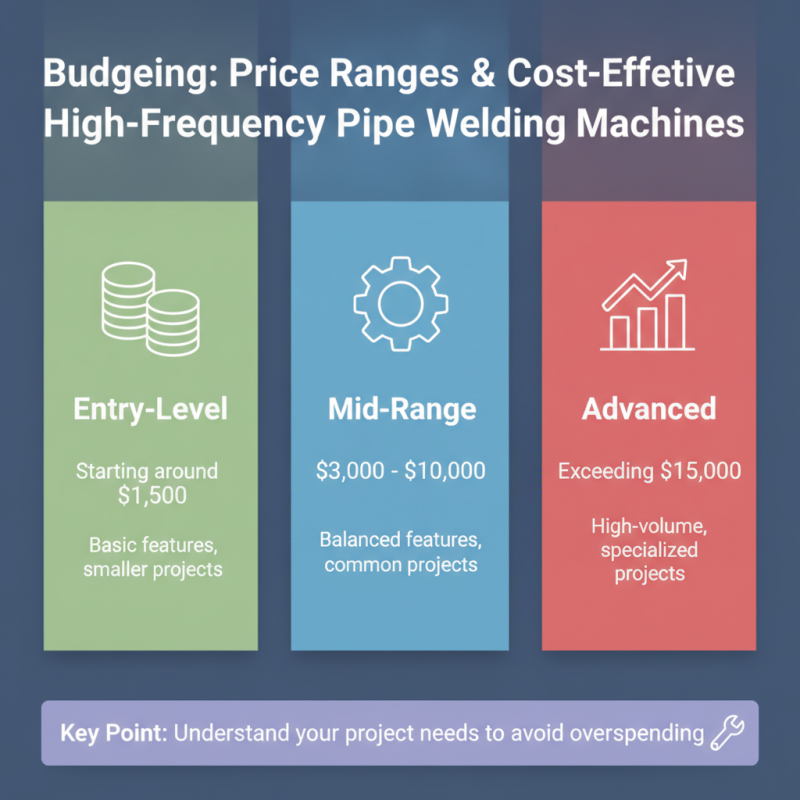
When selecting a high frequency pipe welding machine, budgeting is essential. Prices can vary significantly based on features and specifications. Reports indicate that mid-range machines usually cost between $3,000 and $10,000. Entry-level machines start around $1,500, while advanced models can exceed $15,000. Understanding your project needs can help avoid overspending.
Cost-effective options often deliver reliable performance. Research shows that a well-chosen mid-tier machine can match the output quality of higher-end models in many situations. Look for machines offering essential features rather than excessive bells and whistles.
**Tip:** Always consider the long-term operational costs. Maintenance and part replacement can add to your initial investment.
Balancing price with performance might require trade-offs. A machine with fewer features may save money initially but can lead to productivity issues later. Evaluate how often you will use the machine to determine the best investment for your needs.
**Tip:** Reading user reviews and industry reports can provide valuable insights into cost versus performance for specific models.
Maintenance and Support Considerations for Welding Equipment Selection
When selecting a high-frequency pipe welding machine, maintenance and support are critical factors. You want a machine that will not only perform well but also last over time. Look for equipment with accessible parts and clear maintenance requirements. This can save time and reduce operational costs. Regular servicing is essential to keep your machine running efficiently. An overlooked machine can lead to production delays or quality issues.
Consider the availability of technical support as well. Machines can malfunction, and quick assistance is crucial. Evaluate the warranty and support services offered. A lack of effective support can be frustrating when facing unexpected problems. Therefore, choose a supplier known for their customer service. Prioritize trainers or materials that help your workforce understand the machine better. This can enhance their skills and confidence.
Additionally, reflect on your specific needs. Each project may have unique requirements. Will your production scale vary? Think about how often you will need to service the machine. High-frequency welders can offer robust solutions, but without proper care, their performance may fall short. Balancing these considerations can lead to more efficient operations and better outcomes.