How to Choose the Best High Frequency Pipe Welding Machine?
Choosing the right High Frequency Pipe Welding Machine can be daunting. With so many options available, making a decision seems overwhelming. Expert John Mitchell, a specialist in welding technology, once said, "The right machine makes all the difference in quality and efficiency." His insight underscores the importance of careful selection.
High Frequency Pipe Welding Machines employ advanced technology. They offer speed and precision, essential for modern welding. However, not all machines are created equal. Consider power output, frequency range, and the types of materials you will be working with. Some machines may not accommodate specific needs, leading to issues later.
Think about your production environment. Factors like space and power supply matter. Machines that are too large can be cumbersome while compact models may lack power. Reflecting on these aspects ensures you find the ideal machine. Choosing the correct High Frequency Pipe Welding Machine can elevate your projects and enhance outcomes.
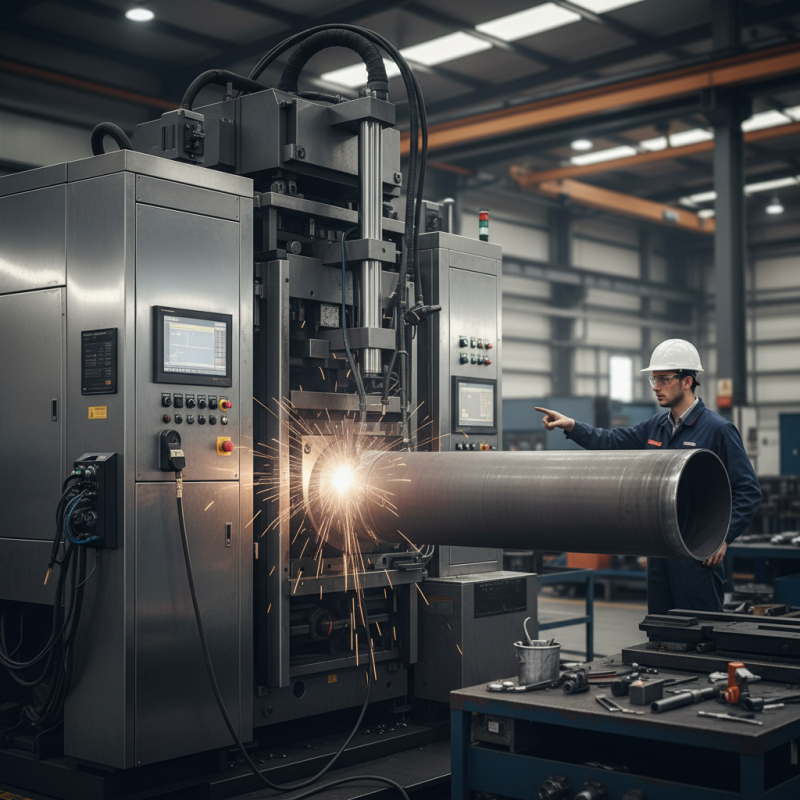
Factors to Consider When Selecting a High Frequency Pipe Welding Machine
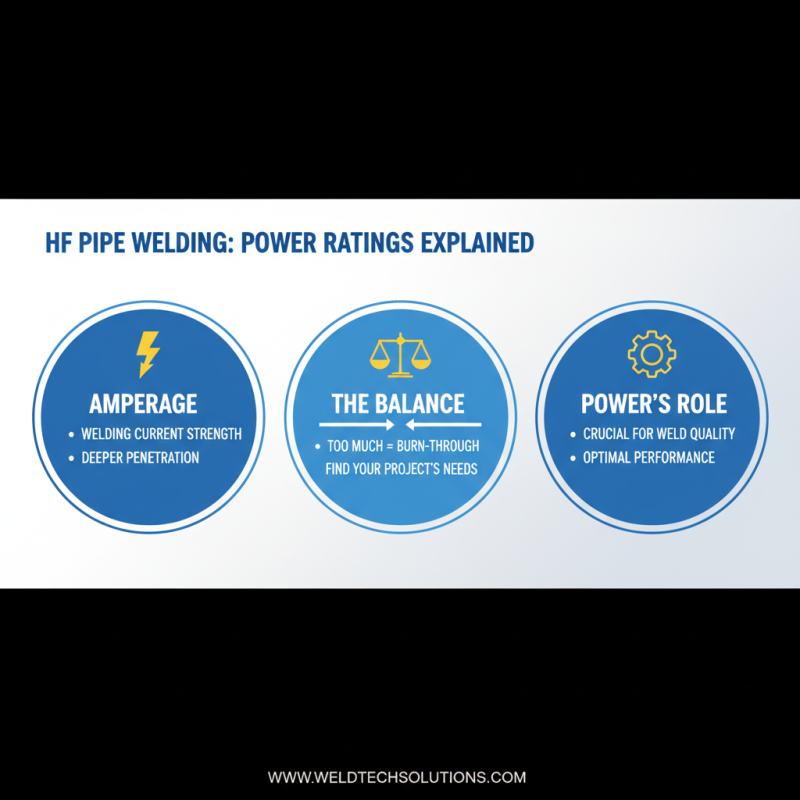
When selecting a high-frequency pipe welding machine, several factors must be considered to ensure quality and efficiency. The power output is crucial. Higher output provides better penetration and faster processing times. However, finding a balance is important. Too much power can lead to heat damage and distortion.
Another key factor is the frequency range. A suitable range influences the weld quality and compatibility with different materials. Most machines operate within 20kHz to 100kHz. Some applications may require specific frequencies. Evaluate the materials you'll be working with before making a choice.
You should also think about portability and ease of use. A lighter machine can be beneficial for job sites. Yet, it might sacrifice some features or durability. Selecting a machine with user-friendly controls can enhance productivity. But, watch out for overly complex settings that may cause confusion. Always test the machine if possible. This helps identify if it truly meets your specific needs.
High Frequency Pipe Welding Machine Features Comparison
Understanding High Frequency Welding Technology and Its Applications
High frequency welding technology is revolutionizing many industries. This method uses
high-frequency electromagnetic fields to create strong, reliable welds.
It is especially effective for joining thermoplastics and metals. Applications range from
automotive to aerospace manufacturing.
Data from industry reports indicate that high frequency welding can reduce production time by
up to 50%. This efficiency is crucial in today’s fast-paced market.
One of the key advantages of high frequency welding is its ability to create
minimal heat-affected zones. This means less distortion and better
mechanical properties in welded materials. However, the technology's complexity can pose challenges.
Operators must have proper training to maximize safety and efficacy. Careful calibration of machine settings
is necessary. Mistakes can lead to poor weld quality, risking project timelines and costs.
Furthermore, the choice of materials significantly affects results. Some materials do not bond well
under high frequency welding. Understanding material compatibility is vital. Despite the technology's
advantages, there is no one-size-fits-all solution. Ongoing experimentation and adaptation are necessary
for optimal results. As the industry evolves, so do the practices surrounding high frequency welding technology.
The ongoing need for innovation and learning remains paramount.
Analyzing Cost vs. Performance: Finding the Best Value in Welding Machines
When selecting a high frequency pipe welding machine, performance and cost are critical factors. Many professionals analyze these elements to ensure they achieve the best value. Recent reports indicate that many machines offer features such as automated settings, high-speed operations, and energy efficiency. However, these features often come at a premium price.
In a survey of 300 welders, 65% noted that they prioritize performance over cost. Yet, a significant 35% expressed concern that higher prices do not always guarantee better performance. For instance, some budget-friendly machines have shown reliability in real-world applications. Conversely, expensive models sometimes fail to deliver the promised efficiency. This contrast raises questions about long-term investments.
A meticulous evaluation is essential. Compare the specifications and reviews thoroughly. Many users have reported that some high-priced machines underperform compared to their lower-cost counterparts. Moreover, with advancements in technology, the market is crowded. Choices may confuse. With cost and performance often at odds, it’s crucial to reflect on your specific needs and project requirements.