How to Choose the Best Tube Mill Making Machine for Your Needs?
Choosing the right Tube Mill Making Machine is crucial for efficiency and quality. Many factors can influence your decision. Understanding specific needs is vital in this process.
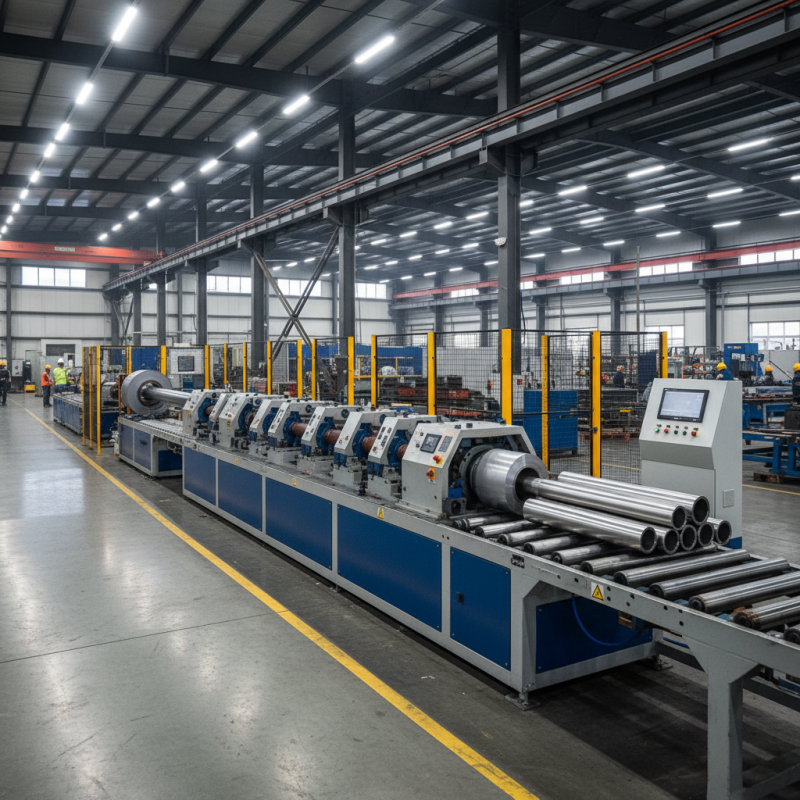
A Tube Mill Making Machine shapes metal into tubes. It's an important investment for businesses. Each machine has different specifications. Factors like speed, design, and flexibility must be considered. You may find some machines too complex or not advanced enough.
Reflecting on your production goals is necessary. What materials do you use? How many tubes must you produce daily? These questions guide your selection. Remember, the perfect machine may not exist. It's about finding the best fit for your operations.
Understanding the Basics of Tube Mill Making Machines
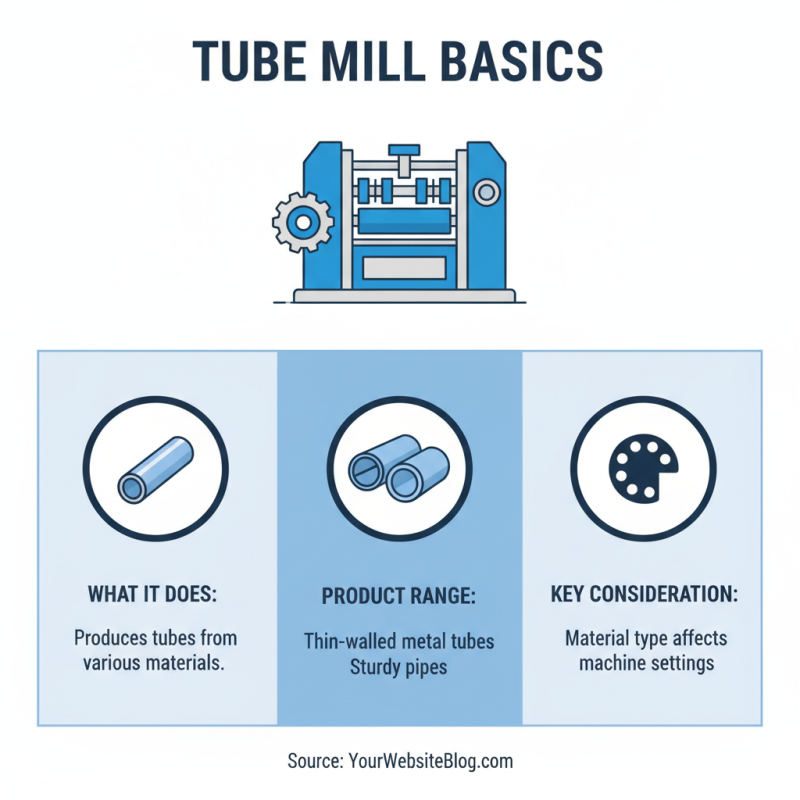
When considering a tube mill making machine, it’s essential to understand the basics first. These machines are primarily used for producing tubes from various materials. They can create a range of products, from thin-walled metal tubes to sturdy pipes. Knowing the materials you aim to use is crucial. Each material may require specific settings on the machine.
Another factor to consider is the machine's capabilities. Not all machines can handle high-speed production. Some are designed for smaller batch sizes while others excel in mass production. It’s important to evaluate your production needs. A machine that suits one project might not work for another. Therefore, reflect on your requirements carefully before making a decision.
Lastly, pay attention to maintenance. Regular upkeep can prolong the life of the machine. This aspect is often overlooked, yet essential. Neglecting it might lead to breakdowns, impacting production. The choice should balance features, efficiency, and upkeep demands. Always ask yourself if you're making the right call. Investigate, reflect, and choose wisely.
Identifying Your Production Requirements and Specifications
Choosing the right tube mill making machine starts with clearly defining your production needs. Consider the types of tubes you will manufacture. Are you producing large or small diameter tubes? The dimensions matter significantly. Identifying the material to be used is also crucial. Stainless steel, aluminum, or other materials require different handling and machinery.
Next, examine your production volume. How many tubes do you need daily or weekly? High-volume production usually requires faster machines with advanced features. On the other hand, low-volume operations might benefit from more basic models, reducing costs and complexity. Keep in mind that your production goals may change over time, so flexibility can be a key factor.
Another detail to factor in is automation. Fully automated machines can save time but may have a higher upfront cost. Manual machines are often more economical initially, but labor costs can add up. Evaluate your budget and labor resources carefully. Balancing these considerations is tricky but essential for long-term success. Be willing to adjust your expectations as you gather more information.
Evaluating the Features and Technologies of Tube Mill Machines
When evaluating tube mill machines, focus on key features. Consider the material thickness and diameter specifications. Different machines cater to different needs. You must be clear about your production goals. Will you need high-speed operations? Or perhaps you're aiming for precision in smaller runs?
Tips: Always check if the machine can handle various materials. Flexibility can save future costs. Also, look into automation features. They can enhance efficiency but may require more maintenance.
It's essential to consider the technologies used in manufacturing these machines. Some may focus on advanced CNC controls, while others may utilize simpler mechanisms. Weighing these options can be overwhelming. A machine that is too complex may lead to difficulties in operation. Reflect on the skill level of your workforce.
Tips: Don’t overlook after-sales support. Even the best machine can encounter issues. Reliable support can save time and headaches. Always look for user reviews. They can provide insights into real-world performance.
Comparing Brands and Manufacturers for Reliability and Support
When selecting a tube mill making machine, reliability is key. Various studies reveal that machine downtime can cost manufacturers up to $5,000 per hour. This is why comparing different brands and manufacturers is crucial. A reliable manufacturer often provides better support and faster service, minimizing potential delays.
Customer reviews and industry reports show that some brands consistently rank higher for customer satisfaction. For instance, reports indicate that 70% of users prefer manufacturers that offer comprehensive training. This reflects the need for ongoing support to ensure optimal machine performance. A machines’ durability is also essential. Data indicates that machines with robust warranties tend to last 20-30% longer.
However, not all manufacturers can meet these standards. Some may offer appealing prices but fall short of quality. Buyers need to ask about their support policies. Are they responsive? Do they provide spare parts quickly? Such considerations matter. The right balance of cost, support, and reliability leads to better long-term investment. Always assess these factors carefully.
Assessing Budget and Total Cost of Ownership for Tube Mill Machines
Choosing the right tube mill making machine requires careful financial planning. Assessing your budget and total cost of ownership is essential for making a wise investment. Reports indicate that the average lifespan of a tube mill machine is around 10 to 20 years. This long-term outlook influences both initial costs and ongoing maintenance expenses.
When evaluating costs, consider more than just the purchase price. Maintenance can account for up to 30% of total ownership costs over the machine's life. Additionally, operational costs such as energy consumption should not be overlooked. Data shows that energy can represent 20-25% of the annual operating cost. Machines with higher efficiency ratings can reduce these expenses significantly.
It is easy to focus on upfront costs, yet hidden expenses can emerge. For instance, spare parts may vary widely in price and availability. Some machines might seem cheaper initially, but offer fewer options for upgrades. Always analyze the complete ownership cost. Take into account potential downtime due to repairs, which can impact productivity. Consider the trade-offs carefully. This informed approach can prove invaluable over time.
How to Choose the Best Tube Mill Making Machine for Your Needs?
| Feature |
Standard Option |
High-End Option |
Budget Consideration ($) |
| Machine Speed (m/min) |
50 |
80 |
15,000 |
| Max Tube Diameter (mm) |
50 |
100 |
10,000 |
| Material Types |
Mild Steel |
Alloy Steel |
5,000 |
| Power Consumption (kW) |
30 |
50 |
2,000 |
| Maintenance Frequency (months) |
6 |
12 |
1,000 |
| Estimated Lifespan (years) |
10 |
20 |
0 |