How to Choose the Best High Frequency Tube Mill Making Machine?
Choosing the right High Frequency Tube Mill Making Machine can be overwhelming. With the industry evolving, numerous options flood the market. According to a report from MarketsandMarkets, the demand for high-frequency tube mills is expected to grow by 5.4% annually, driven by advancements in technology and rising application in various industries.
Expert James Thompson, a leading authority in manufacturing technologies, emphasizes, "Selecting the right machine isn’t just about specifications; it’s about long-term efficiency and adaptability." This insight highlights the need for careful evaluation beyond basic features. Companies must consider compatibility with future projects and operational efficiency.
Investing in the best High Frequency Tube Mill Making Machine requires a thorough assessment. Consider the machine's build quality, support offered, and technological features. Understanding these factors can prevent costly mistakes. The path to making an informed choice is riddled with potential missteps, yet diligence can lead to significant rewards in productivity and profitability.
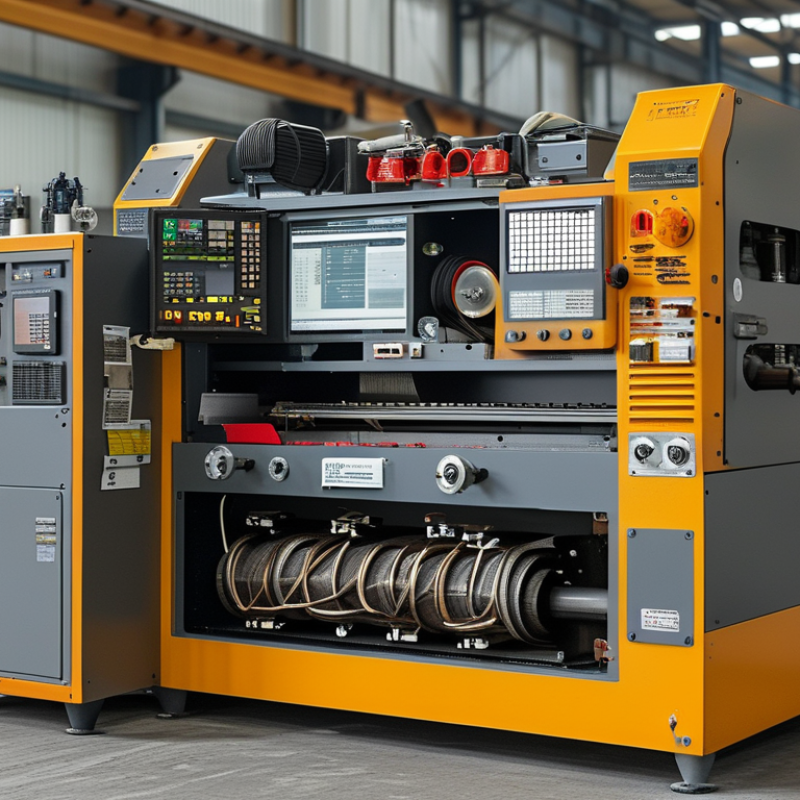
Understanding the Basics of High Frequency Tube Mill Technology
High frequency tube mill technology has revolutionized the manufacturing of welded tube and pipe products.
This technology uses high-frequency induction heating to seam weld metal strips into tubes.
According to industry reports, high frequency tube mills can achieve production speeds of up to 120 meters per minute.
This efficiency is critical in meeting the growing demand across various sectors.
When choosing a high frequency tube mill making machine, consider the compatibility of technology with your production needs.
Look into the specifications like the maximum material thickness, processing speed, and energy consumption efficiency.
These aspects directly impact the operational costs and overall productivity.
For instance, machines that offer variable frequency drive technology can adjust speeds to optimize the welding process.
Tips: Ensure to assess the technical support offered by manufacturers.
A reliable support system can save time during maintenance and troubleshooting.
Always check customer reviews and case studies that reflect real-world performance.
Remember, not all machinery performs equally under different operational conditions.
Careful evaluation is essential for long-term satisfaction.
Key Features to Consider When Selecting a Tube Mill Making Machine
When selecting a high-frequency tube mill making machine, a few key features must be evaluated. Understanding the production capacity is crucial. Machines vary widely in terms of output. Some can produce hundreds of meters of tube per minute, while others are slower. It's essential to match the machine’s capacity to your business needs.
Consider the material compatibility as well. Different machines work best with specific materials. Ensure the machine can effectively handle the types of metals or alloys you will use. Check for flexibility in design as well. A machine that accommodates various tube sizes can enhance your production.
Tips: Always inquire about the machine's maintenance requirements. Regular upkeep is vital to prevent costly downtimes. Look for machines with accessible parts and support documentation for easier troubleshooting. Also, consider the power consumption of the machines. Energy-efficient models can save on operational costs.
Evaluating technology features is equally important. Look for digital controls that allow for precise adjustments. Automation can improve consistency and reduce labor costs. However, sometimes these advanced features may lead to higher initial investments. Weighing short-term costs against long-term benefits is key for business viability.
Key Features of High Frequency Tube Mill Making Machines
This chart displays the importance levels of key features to consider when selecting a high frequency tube mill making machine. Material quality ranks the highest, followed closely by production speed and user-friendly interfaces. Customization options and energy efficiency also play significant roles in the decision-making process.
Comparing Different Types of High Frequency Tube Mills
When selecting a high frequency tube mill, it's crucial to understand the various types available. Each type offers unique benefits tailored to different production needs. A study by the American Steel Pipe Association estimates that around 30% of the global market prefers high frequency mills due to their efficiency and lower operational costs.
High frequency tube mills can be classified into three main types: standard, high-speed, and high-capacity. Standard mills are versatile, suitable for various applications. However, they may not achieve the highest production speeds. High-speed mills, on the other hand, can operate at higher rates, yielding up to 250 meters per minute. This increased efficiency can significantly boost productivity levels in factories. Yet, these machines require precise setup and maintenance, which could pose challenges.
High-capacity mills cater to bulk production needs. They are capable of producing large quantities of seamless tubes in shorter time frames. Nonetheless, they come with higher upfront costs. A report from the International Tube Association highlights that manufacturers often face decisions on scalability and costs when choosing between these mills. Each type plays a critical role in the industry's landscape, and making an informed choice can impact overall operational efficiency.
Evaluating Manufacturer Reputation and Customer Support
When selecting a high frequency tube mill making machine, evaluating the manufacturer's reputation is crucial. A reputable manufacturer typically has a long-standing presence in the industry. Look for companies that have served clients across various sectors. Experience matters. Companies with extensive portfolios often indicate reliability and quality.
Customer support should be a focal point in your decision-making process. Effective support enhances your operational efficiency. When issues arise, responsive assistance can minimize downtime. Check for after-sales service options. Some companies offer training programs for proper machine operation. This training is vital for maximizing machine performance.
It's important to reach out to past customers for feedback. This can provide insights into the manufacturer's reliability and support systems. Pay attention to any recurring issues mentioned by users. They may reveal potential flaws in the machines or support. This reflection can save you from making costly mistakes. Consider these factors carefully to ensure a wise investment.
How to Choose the Best High Frequency Tube Mill Making Machine? - Evaluating Manufacturer Reputation and Customer Support
| Manufacturer Evaluation Criteria |
Rating (1-5) |
Comments |
| Quality of Machinery |
4.5 |
High durability and performance. |
| Customer Support Services |
4.0 |
Responsive and helpful service team. |
| Reputation in the Market |
4.8 |
Well-regarded with positive reviews. |
| Technical Support Availability |
4.2 |
Expert guidance provided if needed. |
| Warranty and After-sales Service |
4.7 |
Comprehensive coverage and assistance. |
| User Testimonials |
4.6 |
Mostly positive feedback from users. |
Cost Analysis and Budgeting for a Tube Mill Investment
Investing in a high-frequency tube mill requires a thorough cost analysis. First, consider the initial purchase price. According to industry reports, high-frequency tube mills can range from $100,000 to $1,000,000. This variation often depends on the machine's features and production capacity. Businesses should assess their specific needs and production goals before making a significant investment.
Ongoing operating costs are another crucial factor. Experts suggest that these costs can comprise up to 30% of the total budget over the machinery's lifecycle. This includes maintenance, labor, and utility expenses. Additionally, skilled labor shortages might increase hiring costs. It's essential to analyze local labor market trends while budgeting. A comprehensive understanding of these factors can lead to smarter financial planning.
While many overlook potential downtime, it can severely impact profitability. Reports show that unanticipated stoppages may lead to losses of up to $15,000 per day. Regular maintenance can mitigate this risk but will add to overall expenses. Reflecting on these aspects ensures that businesses invest wisely in tube mill technology.