Best Tube Mill Pipe Making Machine for Efficient Production?
In the competitive world of pipe production, selecting the right equipment is crucial. The Tube Mill Pipe Making Machine stands out for its efficiency and versatility. This machine plays a vital role in the manufacturing process of pipes, ensuring high-quality output.
Investing in a Tube Mill Pipe Making Machine can significantly enhance production capabilities. It adapts to various materials, catering to diverse industrial demands. However, organizations must carefully evaluate their requirements before making a purchase. Choosing the wrong machine can lead to inefficiencies and increased costs.
Moreover, the market is filled with options, making decision-making challenging. Manufacturers must consider factors such as machine reliability and output capacity. A thorough understanding of production needs ensures a wise investment. In the end, the right choice fosters growth and efficiency in pipe manufacturing.
Overview of Tube Mill Pipe Making Machines
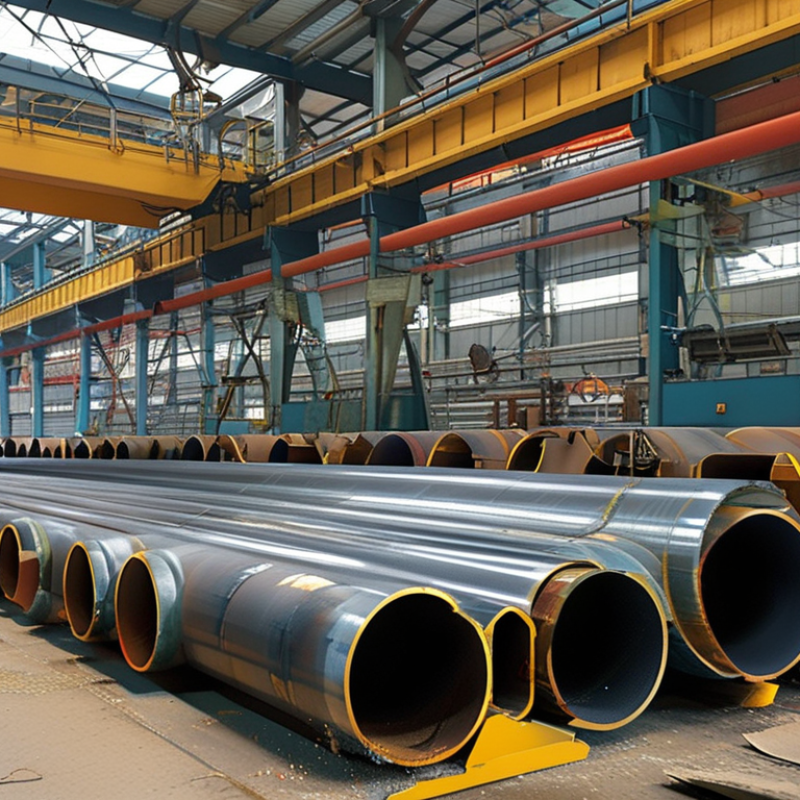
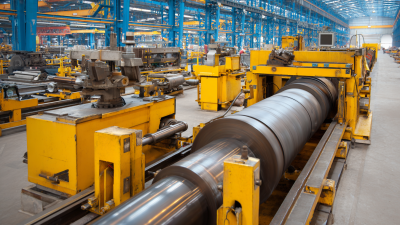
Tube mill pipe making machines play a vital role in metalworking industries. These machines are designed to produce pipes from flat strips of metal. They offer a streamlined process, which enhances overall production efficiency. Understanding their operation and benefits can significantly impact manufacturing workflows.
Tips: Regular maintenance is crucial. Neglecting machine upkeep can lead to costly downtimes. Additionally, train your staff thoroughly. Skilled operators can maximize efficiency and minimize errors. Monitoring the production line closely also helps in identifying potential issues early. Adjusting settings on-the-fly can improve productivity, but caution is necessary.
Choosing a tube mill is not just about choosing a machine. It involves understanding production needs and potential challenges. A flexible approach to machinery usage can lead to substantial gains. Be open to refining methods continuously and embracing feedback for long-term success.
Key Features of an Efficient Tube Mill
When selecting a tube mill for efficient production, several key features stand out. High-speed operation is crucial. Mills that can produce at speeds exceeding 100 meters per minute are increasingly common. According to a recent report from the Pipe and Tube Production Association, speed correlates directly with productivity levels. This efficiency often leads to lower production costs and decreased turnaround times.
Another critical feature is the precision of the forming process. Advanced tube mills utilize innovative technology to ensure that the seams of the pipes are consistently aligned. This precision minimizes the chances of defects, which can be costly. A study highlighted that defects can lead to up to 15% waste in material costs, emphasizing the importance of accuracy in production.
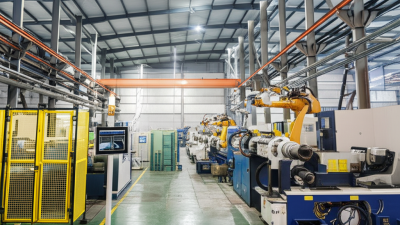
Automation plays a significant role in modern tube mills. Studies show that automated systems reduce the need for manual intervention, thereby lowering labor costs. Furthermore, automated mills can maintain stable production rates, even during peak demands. However, the initial investment in automation can be substantial, and companies must weigh this against potential long-term savings.
Benefits of Using Tube Mill Pipe Making Machines
Tube mill pipe making machines offer significant benefits for manufacturers focusing on efficiency. These machines streamline production processes and enhance the quality of the final product. Operators can achieve consistent results, reducing waste and maximizing output. The integration of advanced technology leads to smoother operations and increases the lifespan of the machinery.
Using tube mills enhances precision in pipe manufacturing. These machines can quickly adjust to different sizes and shapes, ensuring versatility. By reducing setup times, manufacturers can switch between products without extensive downtime. This flexibility is invaluable in meeting diverse customer needs. Quality control is also improved, as the machines continuously monitor and adjust parameters during production.
Tips: Regular maintenance is key. Check for wear and tear frequently. Invest in training for operators to ensure they understand the equipment thoroughly. Assessing production efficiency regularly can lead to better practices. Ensure safety protocols are in place; overlooking these could lead to accidents. Embrace technology, but don’t forget human oversight.
Factors to Consider When Choosing a Tube Mill
When selecting a tube mill pipe making machine, several crucial factors demand attention. Efficiency in production is paramount. According to a recent industry report from the Metal Forming Association, optimizing processes can lead to a 30% increase in production speeds. This efficiency is critical for meeting market demands without compromising quality.
Another key consideration is the machine's adaptability. Modern tube mills must accommodate various materials and dimensions. Research by the Tube and Pipe Association indicates that versatility can contribute to overall production flexibility, allowing manufacturers to respond quickly to shifting customer needs.
**Tip:** Regular maintenance can prevent costly downtime. Ensure your equipment is serviced based on the manufacturer's guidelines.
Additionally, the technical support offered by suppliers is essential. In a fast-paced market, having access to expert assistance can save valuable time. A study highlighted that manufacturers with reliable support reported a 20% reduction in operational issues.
**Tip:** Invest in training for your operators. Well-trained staff can identify and address issues before they escalate.
Maintenance Tips for Optimal Performance of Tube Mills
Proper maintenance of tube mills is crucial for achieving optimal performance. Regular inspections are essential. Check for wear and tear on rolls and bearings. A minor issue can escalate quickly if left unattended. Consider implementing a weekly maintenance schedule. This helps catch problems early and ensures smooth operation.
Lubrication is another key factor. Ensure all moving parts are adequately lubricated to reduce friction. Use the right type and amount of lubricant. Overdoing it can lead to buildup, necessitating further cleaning. Conversely, insufficient lubrication accelerates wear. It's essential to strike a balance.
Cleaning is often overlooked but vital. Regularly remove debris and buildup from the machine's interior. Failure to do this can affect the quality of production. Dust and metal shavings can cause jams, leading to downtime. Establish a routine that includes thorough cleaning after shifts. This attention to detail will enhance longevity and efficiency.