2026 Top High Quality Steel Pipe Machines Tube Mill Buying Guide?
In the competitive landscape of steel production, selecting the right machinery is vital. The "High Quality Steel Pipe Machines Tube Mill" plays a crucial role in shaping the industry. According to recent data from the Global Steel Pipe Market report, an estimated 120 million tons of steel pipes were produced in 2022, showcasing a growing demand for efficient manufacturing solutions.
Investing in top-tier equipment directly enhances productivity and quality. A reliable tube mill can significantly reduce operational costs while increasing output. However, not all machines deliver the same performance. Prospective buyers must evaluate factors like automation, material compatibility, and after-sales support. Industry specialists emphasize the need for robust machinery that ensures precision and durability.
Choosing effectively is challenging. Some manufacturers may deliver disappointing results or poor customer service. Conducting thorough research and utilizing expert guidance can mitigate risks. Focusing on high-quality machinery is imperative for long-term success in a volatile market. A well-informed decision could mean the difference between thriving and simply surviving in this fierce industry.
Understanding Tube Mill Technology: Key Components and Functions
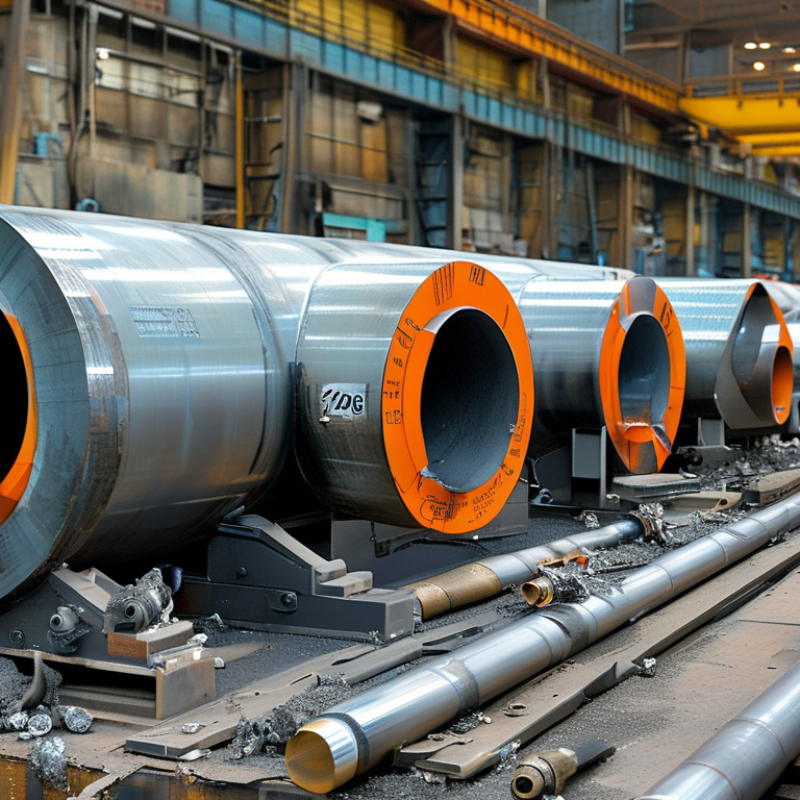
Understanding tube mill technology is crucial for anyone in the steel pipe manufacturing industry. A tube mill functions to produce high-quality steel pipes through a continuous process. Key components include the entry section, forming section, welding section, and cutoff section. Each part plays a vital role, ensuring precise control and producing pipes with consistent dimensions.
Tips: Regular maintenance is essential. Inspect the welding electrodes to avoid defects. Keep the forming tools sharp for better shaping.
The entry section prepares the raw material. It involves cleaning and straightening the steel strips before they are fed into the mill. The forming section then shapes the flat strips into tubes. Adjustment of the rollers is required to achieve the desired diameter. A common issue is misalignment, which can lead to product waste.
Tips: Monitor material flow for blockages. Timely interventions can save costs.
The welding section utilizes high-frequency induction or laser welding. This area requires strict quality checks. Flaws can significantly impact strength and safety. The cutoff section ensures that the lengths are accurate for shipping. Inconsistencies can cause delays in production, emphasizing the need for precision.
Tips: Schedule regular training for staff. They should be updated on best practices and safety precautions.
Types of Steel Pipe Machines: Characteristics and Applications
When considering steel pipe machines, understanding the types and their unique characteristics is essential. Tube mills are primarily used for manufacturing various pipes. They play a critical role in industries like construction and automotive. The precision in their operation affects the overall quality of the pipes produced.
One major type includes high-frequency welded pipe mills. They create tubes by welding metal edges together with heat. This method ensures a solid bond, which makes the pipes strong and reliable. Another variation is the seamless pipe mill, which rolls solid billets into hollow tubes. While this process can be complex, it yields pipes that are less prone to defects.
However, choosing the right machine can be challenging. Factors include production speed, energy efficiency, and required pipe specifications. Not all options suit every application. Buyers should reflect on what they need. The best choice might not always be the most advanced model. Identifying specific requirements is crucial for achieving optimal results in steel pipe production.
Market Trends in Tube Mill Equipment: Growth Forecast for 2026
In 2026, the tube mill equipment market is poised for significant growth, driven by increasing demand for high-quality steel pipes. Recent industry reports indicate that the global market size for tube mill machinery may reach $8 billion. This growth is fueled by various sectors, including construction and automotive, which increasingly rely on advanced steel products.
One prominent trend is the shift towards automation. Many manufacturers are investing in automated tube mills to enhance efficiency and reduce production costs. These machines can operate with minimal human intervention, leading to lower error rates and improved product quality. Automation may further lead to a 20% increase in overall productivity by 2026.
Tips: Keep an eye on technological advancements in tube mill machinery. Innovations in digital monitoring and process optimization are critical for staying competitive. Also, consider the environmental impact of your machinery choices. Sustainability is becoming a major criterion for buyers.
Moreover, regional growth patterns show promising signs in Asia-Pacific. The region is expected to dominate the tube mill market, thanks to burgeoning infrastructure projects. However, manufacturers must remain adaptable to fluctuating raw material prices, which could affect profitability. Continuous market analysis is necessary to navigate this evolving landscape effectively.
Top Brands and Manufacturers in High-Quality Tube Mills Industry
Choosing the right tube mill is critical for manufacturing high-quality steel pipes. The market is filled with various brands and models, each boasting unique features. When evaluating top brands, consider their experience and reputation in the industry. Manufacturers with a long history often possess the expertise needed to optimize production processes. Look for companies that provide detailed specifications and robust customer support.
Many reputable brands focus on quality control and innovation. They often employ advanced technology to enhance efficiency. This can impact the final product's durability and performance. Users often report mixed experiences with different manufacturers. Some mills may excel in speed but falter in precision. Others might offer high-grade materials but lack user-friendly interfaces.
Conducting thorough research can help mitigate these concerns. Verify customer testimonials and seek industry reviews. Calculate the total cost of ownership. Consider maintenance and spare parts availability. A well-informed decision will likely lead to a successful investment in your production capacity. Always be mindful of your specific needs and long-term goals.
2026 Top High Quality Steel Pipe Machines Tube Mill Market Analysis
Factors Influencing Steel Pipe Machine Selection: A Comprehensive Guide
When selecting a steel pipe machine, several factors come into play. Understanding your production needs is crucial. Consider the diameter and thickness of the pipes you aim to produce. Machinery must match your specifications. The type of steel used also influences the choice, as different machines are suited for various materials.
Tips: Always evaluate the machine's efficiency and production speed. This assessment can impact your overall output and profitability. Don’t ignore the machine's energy consumption. Efficiency in power use saves costs over time.
Maintenance requirements are another important aspect. Some machines may demand frequent servicing, which can be costly and disruptive. It’s vital to choose a machine designed for ease of maintenance. A reliable machine ensures quality production with less downtime.
Tips: Research the machine's upkeep history before purchase. Speak to current users about their experience. Their insights will help you make an informed decision. Consider how the technology used in the machines can affect your long-term operations and adaptability.
2026 Top High Quality Steel Pipe Machines Tube Mill Buying Guide
| Feature |
Description |
Importance Rating (1-10) |
| Material Compatibility |
Ability to work with various steel grades and alloys. |
9 |
| Production Speed |
Time taken to produce a batch of pipes. |
8 |
| Energy Efficiency |
Energy consumption during production. |
7 |
| Customization Options |
Flexibility in altering machine settings for specific requirements. |
8 |
| Maintenance Support |
Availability and quality of after-sales service and support. |
9 |
| Safety Features |
Safety mechanisms integrated into the machine. |
10 |
| User Interface |
Ease of use of the machine controls and interface. |
8 |
| Cost Efficiency |
Overall cost of ownership and operational costs. |
7 |